on-this-day · october 13
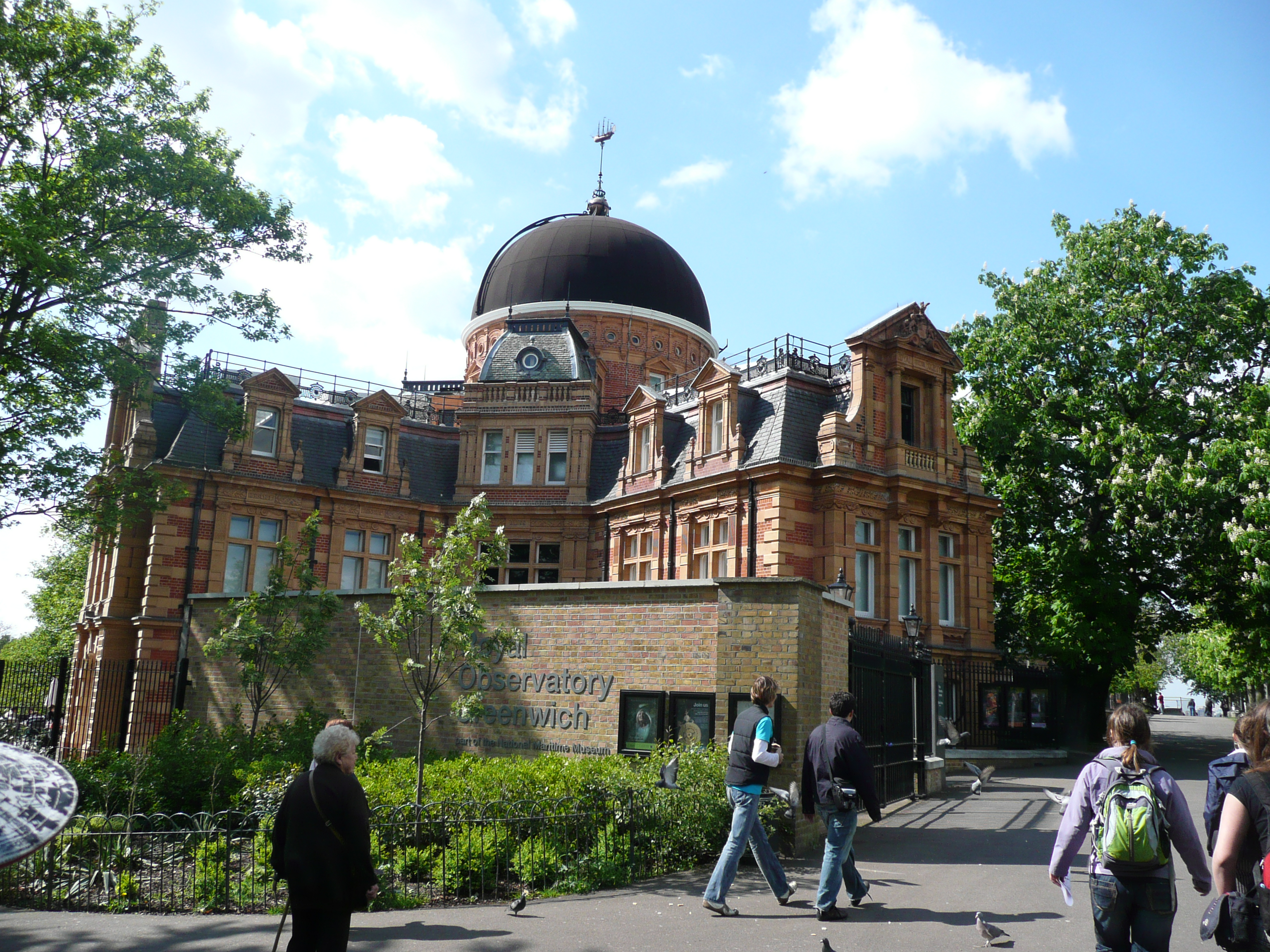
the royal observatory, greenwich, where the prime meridian was established. source: wikimedia commons

The Line That Organizes the World
On this day in 1884 — greenwich was established as the prime meridian. the world agreed on where zero begins.
2 min read
In October 1884, delegates from 25 nations gathered at the International Meridian Conference in Washington, D.C. After weeks of debate, they voted to establish the Prime Meridian at Greenwich, England. Longitude zero would pass through the Royal Observatory. The world now had a common reference for mapping time and space.
Before 1884, every country used its own prime meridian. Paris, Rome, Washington -- dozens of cities claimed zero longitude. This created chaos for navigation, cartography, and international communication. Ships converted between systems. Maps were incompatible. Timekeeping varied city to city. Greenwich won for practical reasons: British naval charts were the most widely used, and most already referenced Greenwich. France abstained from the vote -- French maps continued using Paris as prime meridian for decades. A quiet act of cartographic resistance.

the prime meridian line at the royal observatory, greenwich, london. source: wikimedia commons

The Prime Meridian is entirely arbitrary. No natural feature makes Greenwich special. But once established, it became real. The conference also divided the world into 24 time zones. Before that, every city kept local time based on the sun's position. Railroads made that untenable -- a train schedule that worked in one city was useless in the next. Time zones synchronized clocks across regions.
The decision was also about control. Accurate maps and synchronized clocks enabled global trade, military coordination, and imperial administration. The Prime Meridian was a tool of globalization, and globalization was largely a project of European powers. Today, tourists straddle the brass line at Greenwich, one foot in each hemisphere. The line has no physical reality, but its effects are everywhere. Every time you check the time or consult a map, you are relying on the system born from this conference. Standards create order -- but they also encode the interests of their creators. We live on a grid we drew ourselves.