on-this-day · october 16
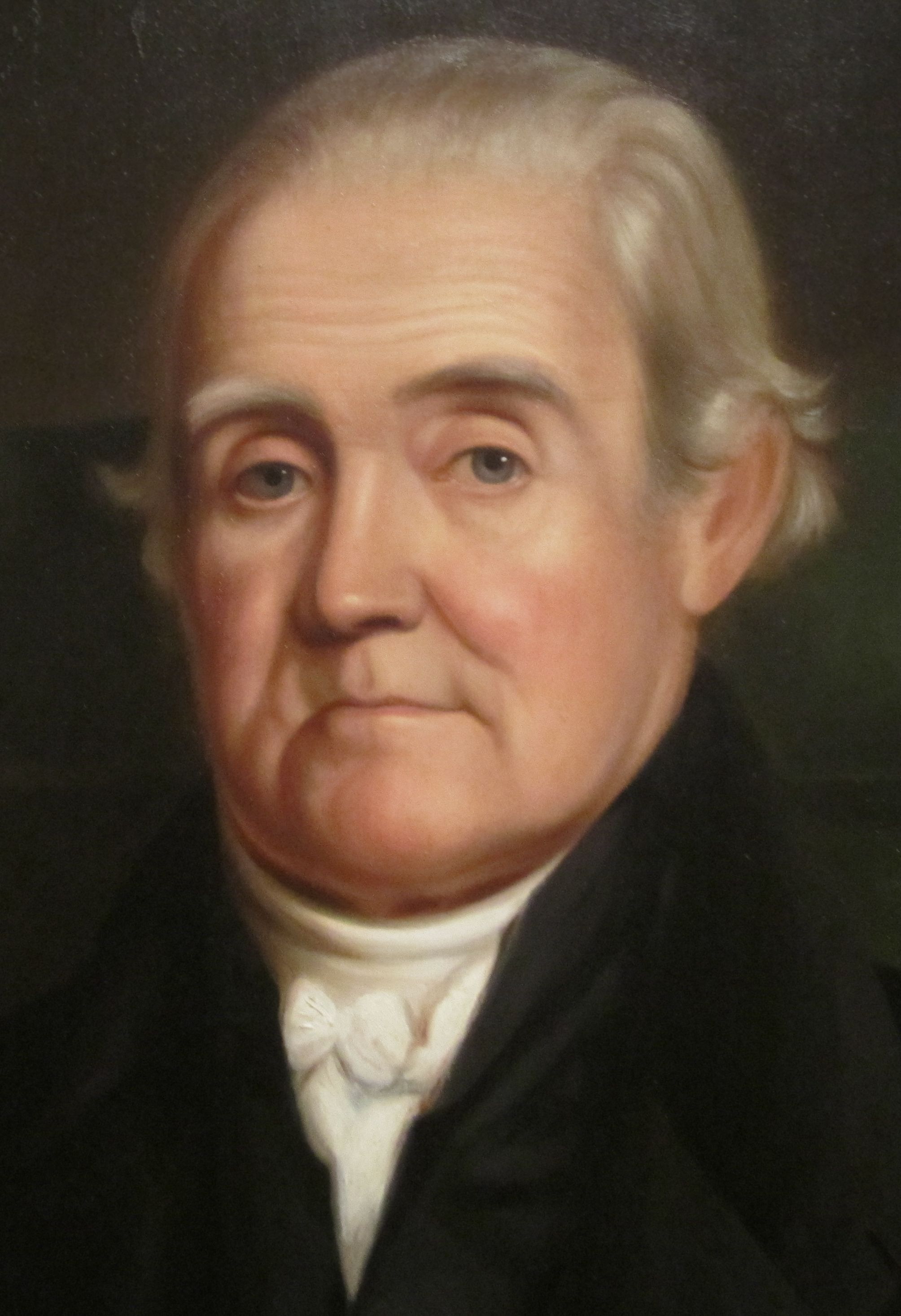
noah webster, painted by james herring in 1833. source: wikimedia commons

The Spelling of a Nation
On this day in 1758 — Noah Webster was born. He standardized American English spelling. Language design at national scale.
2 min read
Noah Webster was born on October 16, 1758, in West Hartford, Connecticut, into a world where American colonists still spelled words the British way and saw no reason to change. By the time he died 85 years later, he had convinced an entire nation to spell "colour" without the u and "centre" with an er. This was not vanity. It was nation-building through orthography.
Webster understood something political theorists often missed: independence is as much linguistic as legal. A new country needed its own language standards -- not rebellion for its own sake, but because language shapes identity. His "Blue-Backed Speller," published in 1783, sold over 60 million copies and taught generations of American children to read. He stripped away needless letters, regularized spellings, and simplified pronunciation. Interface design before anyone called it that.

title page of noah webster's american dictionary of the english language, 1828. source: wikimedia commons

The speller was just the foundation. Webster spent nearly three decades compiling his American Dictionary of the English Language, published in 1828 at age 70. It contained 70,000 entries, 12,000 never before in any dictionary. He included American words like "skunk" and "chowder" alongside technical terms British dictionaries ignored. He documented language as actually used, not as gatekeepers thought it should be.
The dictionary sold poorly at first. Webster mortgaged his home for a second edition. But the book survived him. In 1843, George and Charles Merriam purchased the rights -- their company still publishes under his name. What Webster created was more than a reference book. It was a shared protocol for encoding meaning, just as Morse's telegraph would create a code for transmitting language across wires. He turned English into something that could scale across a continent without fragmenting. Language is a network, and networks need maintenance. Webster understood that before anyone had a word for it.