on-this-day · october 23
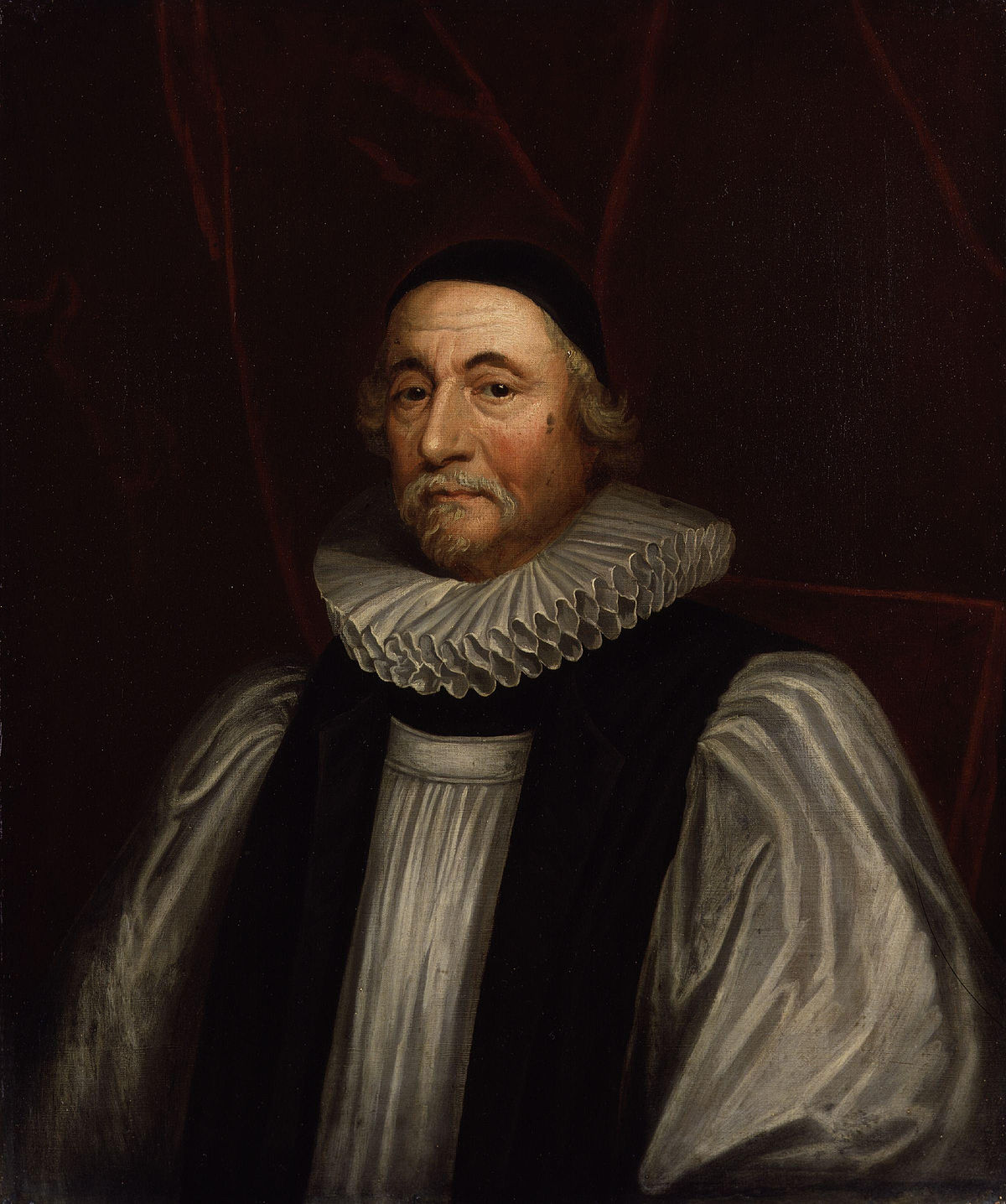
archbishop james ussher, who calculated the date of creation. source: wikimedia commons

The Date the World Began
On this day in 4004 BC — According to Archbishop Ussher, the earth was created. The first date in designed history.
2 min read
James Ussher, Archbishop of Armagh and Primate of All Ireland, published his Annals of the World in 1650. The book was a chronology of human history from the beginning of time. Using biblical genealogies, astronomical calculations, and historical records, Ussher concluded that God created the world on the evening of October 22, 4004 BC -- making October 23 the first full day of creation. He was precise because precision was the point.
Ussher was not a crank. He was one of the most learned scholars of his era. His method was rigorous within its assumptions: the Bible was historically accurate, genealogies were complete, and the events described happened in real time. Given those premises, his calculations were remarkably sophisticated. He cross-referenced biblical events with Roman, Greek, and Persian histories, creating a timeline that integrated sacred and secular records.
.jpg)
michelangelo's creation of adam (cropped), sistine chapel, c. 1512 — the biblical creation story that ussher sought to date precisely. source: wikimedia commons
.jpg)
The problem was the premises. The Earth is approximately 4.5 billion years old. Ussher was off by a factor of roughly one million. But his work reveals something important about how knowledge systems operate: precision does not guarantee accuracy. You can be rigorously, meticulously, spectacularly wrong if your foundational assumptions are flawed.
Ussher's date became orthodoxy. It was printed in the margins of the King James Bible well into the 20th century. Generations of English-speaking Christians accepted it as fact. When geologists began suggesting the Earth was millions of years old, Ussher's chronology became the baseline they had to argue against. The date October 23, 4004 BC, is a reminder that even the most carefully constructed systems of knowledge are only as good as the questions they are willing to ask. Precision without correct premises is just well-organized fiction.