on-this-day · october 26

map of the erie canal connecting the great lakes to new york. source: wikimedia commons

The Ditch That Built New York
On this day in 1825 — The Erie Canal opened. 363 miles of waterway, dug by hand, connecting the Great Lakes to the Atlantic.
2 min read
On October 26, 1825, the Erie Canal officially opened. It was 363 miles long, 40 feet wide, and four feet deep, stretching from Albany on the Hudson River to Buffalo on Lake Erie. Dug almost entirely by hand, using shovels, picks, and black powder, it was the most ambitious infrastructure project in American history to that point. And it worked.
Before the canal, shipping goods from Buffalo to New York City cost $100 per ton and took two weeks. After the canal, it cost $5 per ton and took six days. The effect on commerce was immediate and transformative. Farmers in the Midwest could now ship grain to Eastern markets cheaply. Manufactured goods flowed west. Cities along the canal -- Rochester, Syracuse, Utica -- grew from villages into commercial centers.
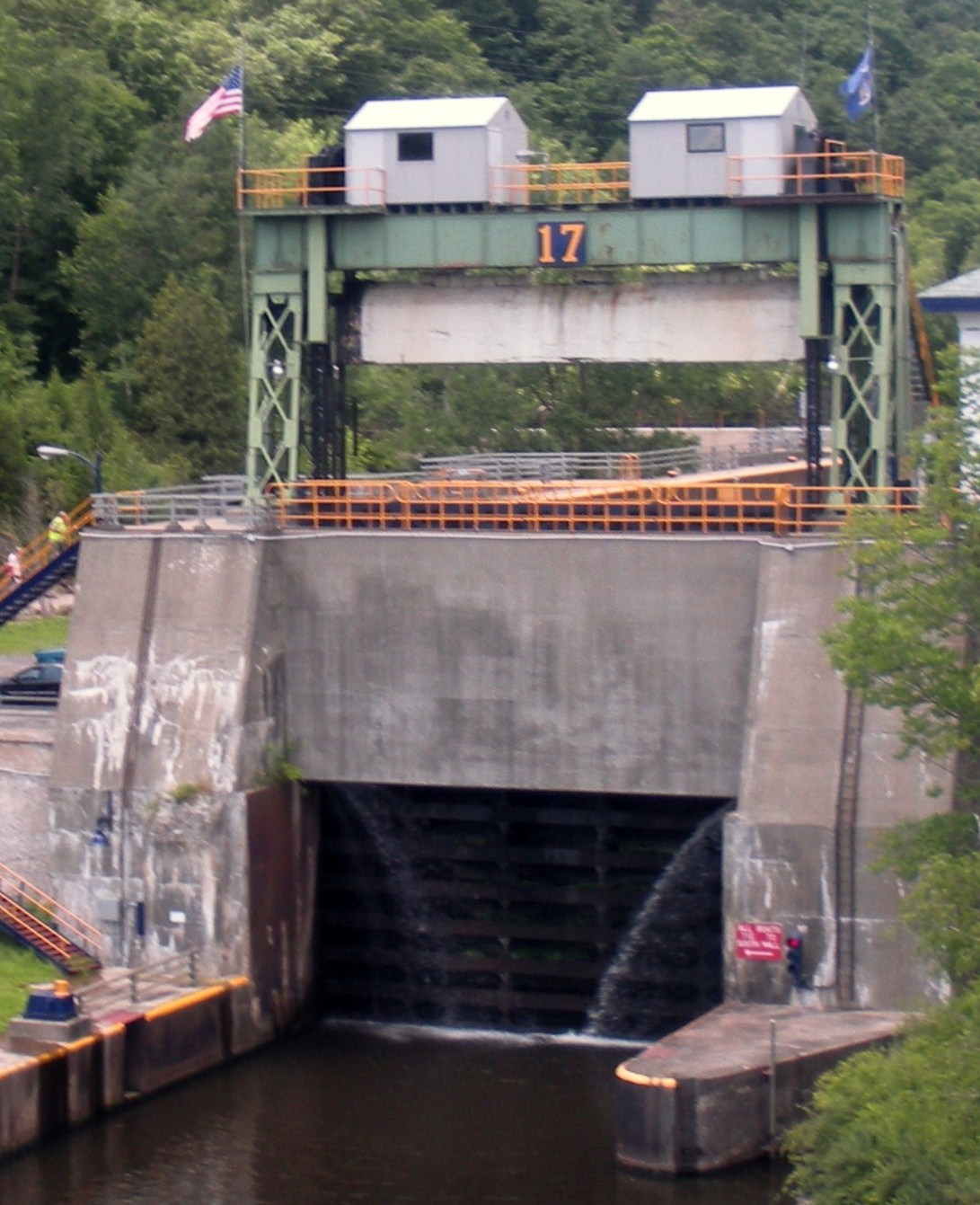
lock 17 on the erie canal — the canal's lock system lifted boats over changes in elevation. source: wikimedia commons

New York City became the dominant port on the Eastern seaboard largely because of the Erie Canal. The canal connected the interior of the continent to the Atlantic, funneling trade through the Hudson River and New York Harbor. Philadelphia, Boston, and Baltimore lost ground. The canal did not just move goods. It reorganized economic geography.
Governor DeWitt Clinton championed the canal against ferocious opposition. Critics called it "Clinton's Ditch." The federal government refused to fund it. New York financed it alone through bond sales, creating a model for state-funded infrastructure that would be replicated across the country. The canal cost $7 million and paid for itself within a decade through toll revenues. October 26, 1825, is the day a ditch proved that infrastructure shapes destiny. Connect two bodies of water, and you rearrange the economy of a continent. The canal was eventually superseded by railroads, but the city it built endures.