on-this-day · november 25
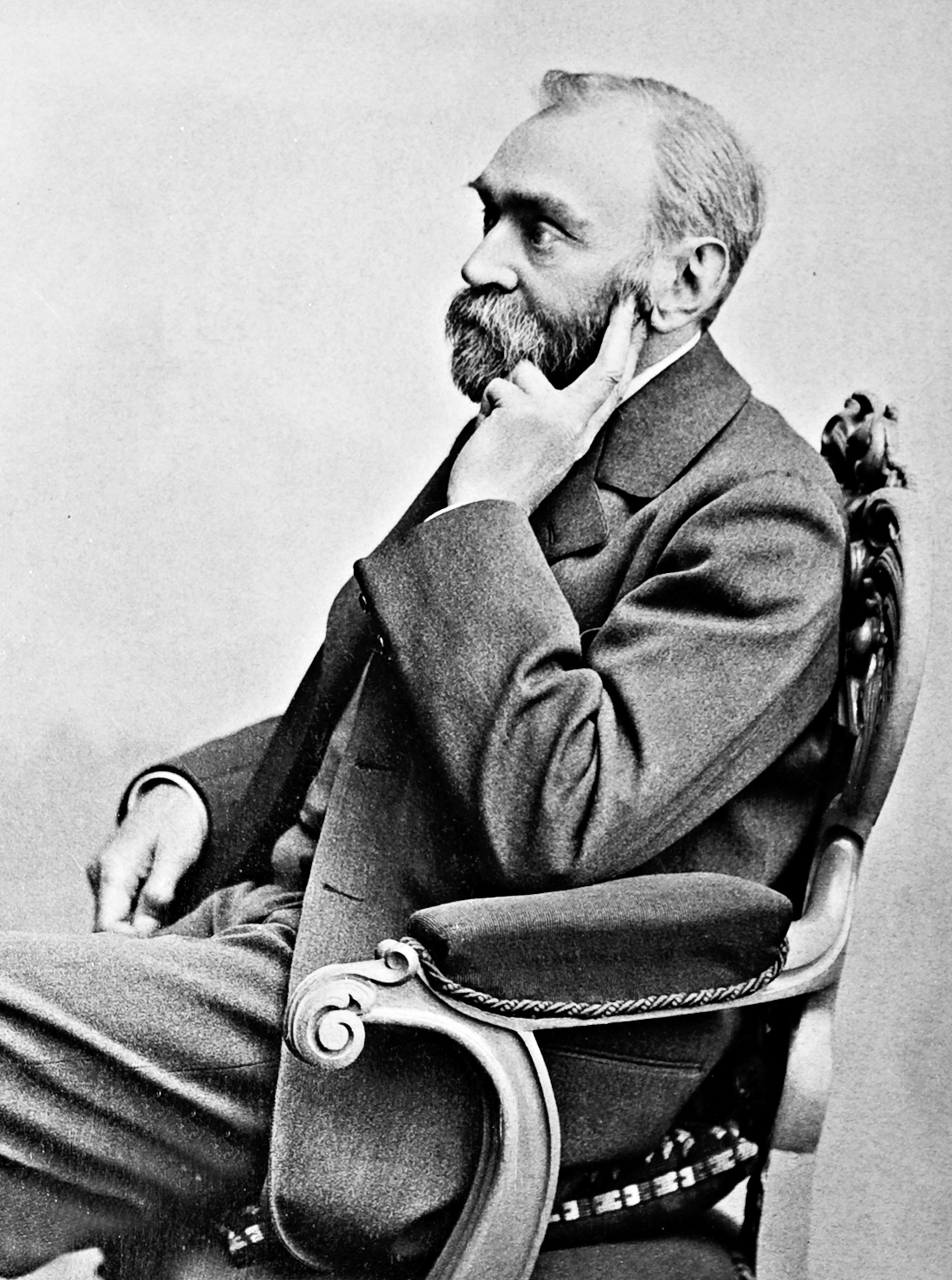
alfred nobel, circa 1890s. source: wikimedia commons

Controlled Explosion
On this day in 1867 — Alfred Nobel patented dynamite. He later funded the peace prize with the profits.
2 min read
On November 25, 1867, Alfred Nobel received a patent for dynamite. He had spent years trying to stabilize nitroglycerin, one of the most powerful and unpredictable explosives known. The solution was absorbent: mixing nitroglycerin with diatomaceous earth created a paste that could be shaped into sticks, transported safely, and detonated on command. He named it dynamite, from the Greek word for power.
Nobel knew the danger personally. In 1864, an explosion at his family's factory in Stockholm killed five people, including his younger brother Emil. The Swedish government banned nitroglycerin experiments within city limits. Nobel moved his work to a barge on a lake and kept going. He was driven not by recklessness but by the conviction that controlled explosives could transform infrastructure: tunnels through mountains, channels through rock, foundations carved from bedrock.
Dynamite delivered on that promise. Within a decade it was used worldwide for mining, quarrying, and construction. Nobel built factories across Europe and amassed an enormous fortune. But the same product that carved railways also killed soldiers. Dynamite was used in warfare almost immediately. When Nobel's brother Ludvig died in 1888, a French newspaper mistakenly published Alfred's obituary, calling him "the merchant of death." Nobel read his own premature death notice and was appalled by his legacy.
He rewrote it. In his will, Nobel directed that his fortune fund annual prizes in physics, chemistry, medicine, literature, and peace. The Nobel Prizes became the most prestigious awards in the world, and Nobel's name became associated with achievement rather than destruction. Dynamite was a controlled explosion. The prizes were controlled redemption. Both required precise engineering.

alfred nobel's laboratory at björkborn manor, karlskoga, sweden, where he conducted his later experiments. source: wikimedia commons
