on-this-day · december 11

king edward viii, official portrait, 1936. source: wikimedia commons

The King Who Chose Love
On this day in 1936 — Edward VIII abdicated the throne. He chose a person over a system.
2 min read
On December 11, 1936, King Edward VIII addressed the nation via radio and abdicated. He had been king for 326 days. He wanted to marry Wallis Simpson, an American socialite divorced twice. The government, the Church of England, and the dominions opposed it. A king could not marry a divorcee and remain head of the Church. Edward chose Wallis.
His broadcast included: "I have found it impossible to carry the heavy burden of responsibility and to discharge my duties as king as I would wish to do without the help and support of the woman I love." The monarchy is not a job you quit. Edward treated the throne as negotiable.
Prime Minister Stanley Baldwin made it clear: marry Wallis, and the government resigns. Edward abdicated. His brother became King George VI. The system adapted. Continuity was preserved.
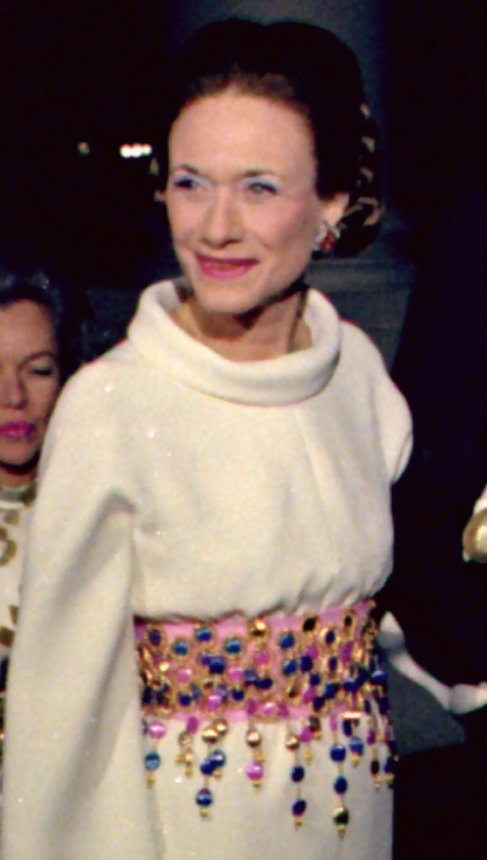
wallis simpson, 1936. source: wikimedia commons

What makes the abdication interesting is how it tested the monarchy's fault tolerance. The British monarchy is designed to survive individual actors. Edward's choice triggered those mechanisms. George VI led Britain through World War II. His daughter Elizabeth II became one of the longest-reigning monarchs in history. Edward's crisis became a footnote.
Edward lived in exile, mostly in France. During World War II, his sympathies toward Nazi Germany became a liability. The romance that cost him the throne became a long, uneventful marriage. The system survived. Even the most rigid institutions have exit conditions. Edward found his. The monarchy, designed to outlast individuals, proved it could.