on-this-day · february 4

mark zuckerberg at the facebook f8 developer conference keynote. source: wikimedia commons
.jpg)
The Social Graph
On this day in 2004 — Mark Zuckerberg launched Facebook from a Harvard dorm room. Connection at scale, for better and worse.
2 min read
On February 4, 2004, Mark Zuckerberg launched TheFacebook from his Harvard dorm room. The site required a university email to register. Within 24 hours, roughly 1,200 students had signed up. Within a month, more than half the undergraduate population was on it. By year's end, it had expanded to other Ivy League schools and hit one million users.
The idea wasn't new. Friendster and MySpace already existed. What Facebook got right was constraint. By limiting membership to college students with verified emails, it created a social graph that was real. People used their actual names because their actual classmates were on the platform. The network effect was immediate and organic.
Zuckerberg dropped out of Harvard, moved to Palo Alto, and took $500,000 from Peter Thiel. Facebook opened to high school students in 2005, then to anyone over 13 in 2006. The company dropped "The" after buying facebook.com for $200,000. By 2012, it had one billion users and went public at a $104 billion valuation.
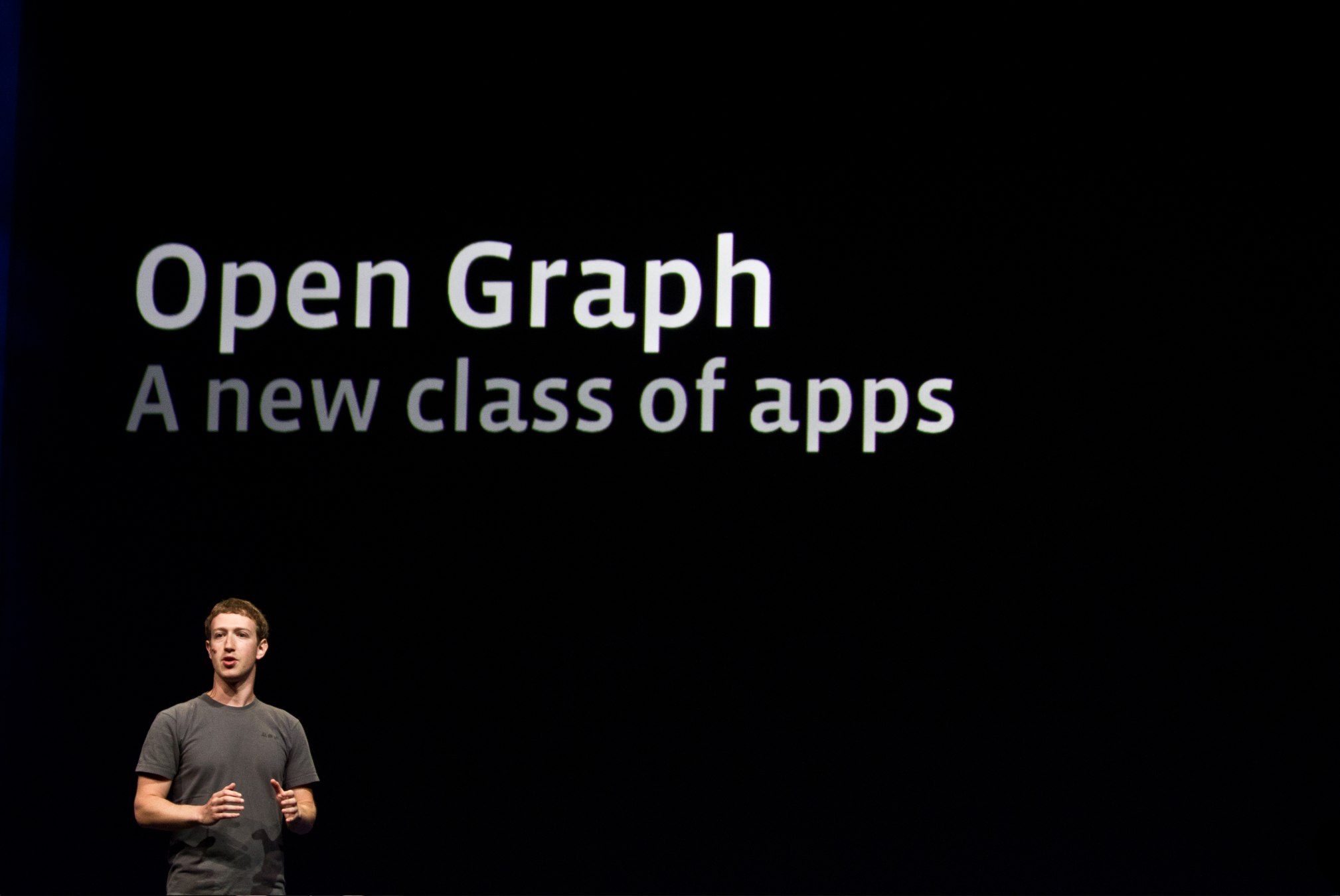
mark zuckerberg at the facebook f8 developer conference in 2011, seven years after launching thefacebook from his harvard dorm room. source: wikimedia commons
.jpg)
What started as a campus directory became one of the most powerful communication platforms in history. The News Feed, introduced in 2006, algorithmically curated content, replacing chronological order with engagement optimization. This made the platform stickier and more profitable, but also a machine for amplifying outrage and misinformation.
Facebook is a case study in unintended scale. A tool built for college kids became infrastructure for global communication, wielding more influence over public discourse than most governments. Zuckerberg famously told his teams to "move fast and break things." He did. What he broke is still being assessed.