on-this-day · march 16
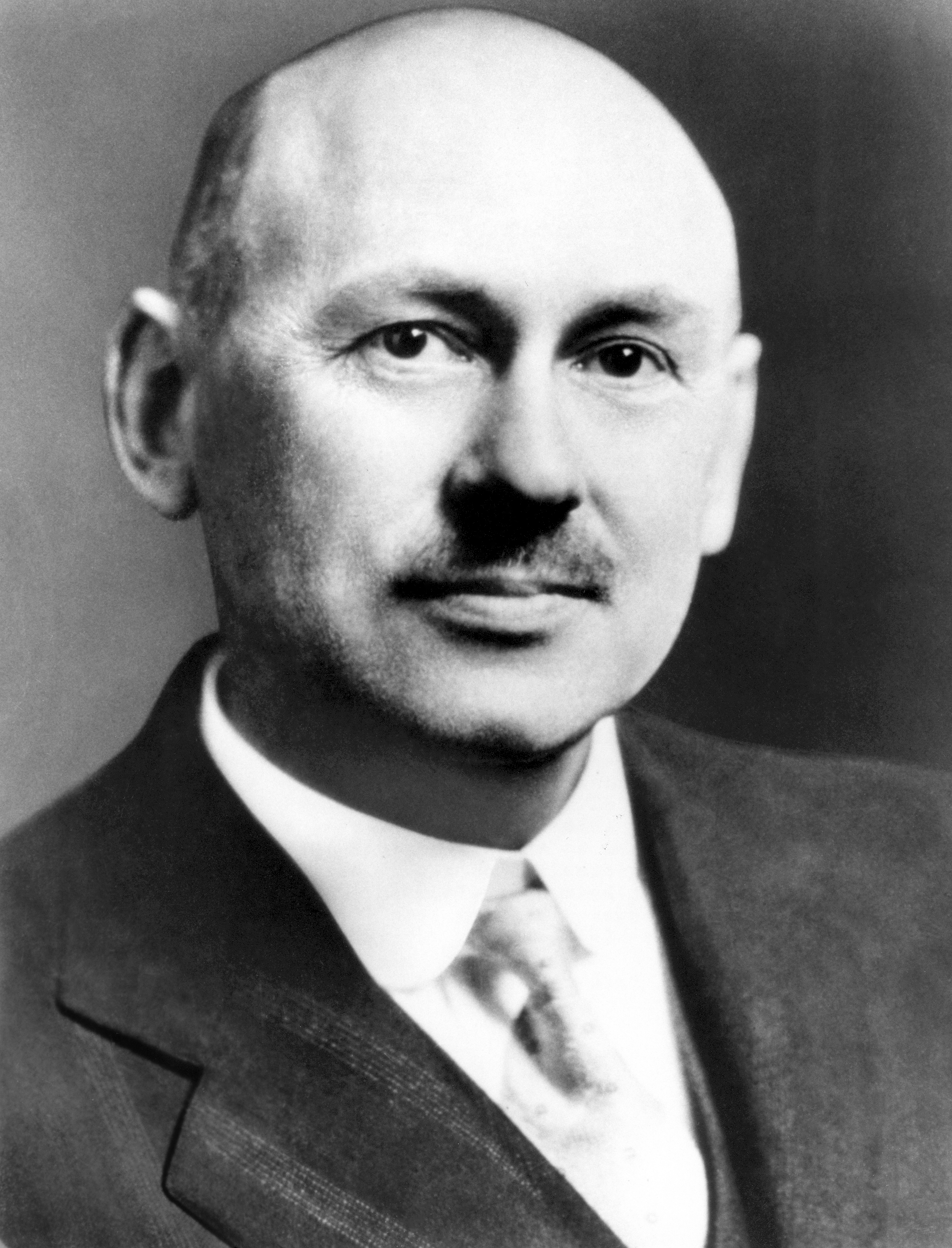
robert goddard with his first liquid-fueled rocket, auburn, massachusetts, march 16, 1926. source: wikimedia commons

Two and a Half Seconds
On this day in 1926 — Robert Goddard launched the first liquid-fueled rocket. It flew for 2.5 seconds and reached 41 feet.
2 min read
On March 16, 1926, in a cabbage patch on his Aunt Effie's farm near Auburn, Massachusetts, Robert Goddard lit a blowtorch and stepped back. The contraption looked like laboratory equipment, not a rocket. Ten feet tall, skeletal pipes, engine on top, fuel tanks below. It rose for two and a half seconds, reached 41 feet, traveled 184 feet horizontally, and crashed into frozen ground.
Goddard had been thinking about rockets since seventeen, when he climbed a cherry tree and imagined reaching Mars. By 1919, he published the mathematics of rocket propulsion. The New York Times mocked him, claiming rockets could not work in a vacuum. What Goddard understood was Newton's third law. A rocket pushes against itself. Liquid fuel offered more power, better control, and the ability to throttle.
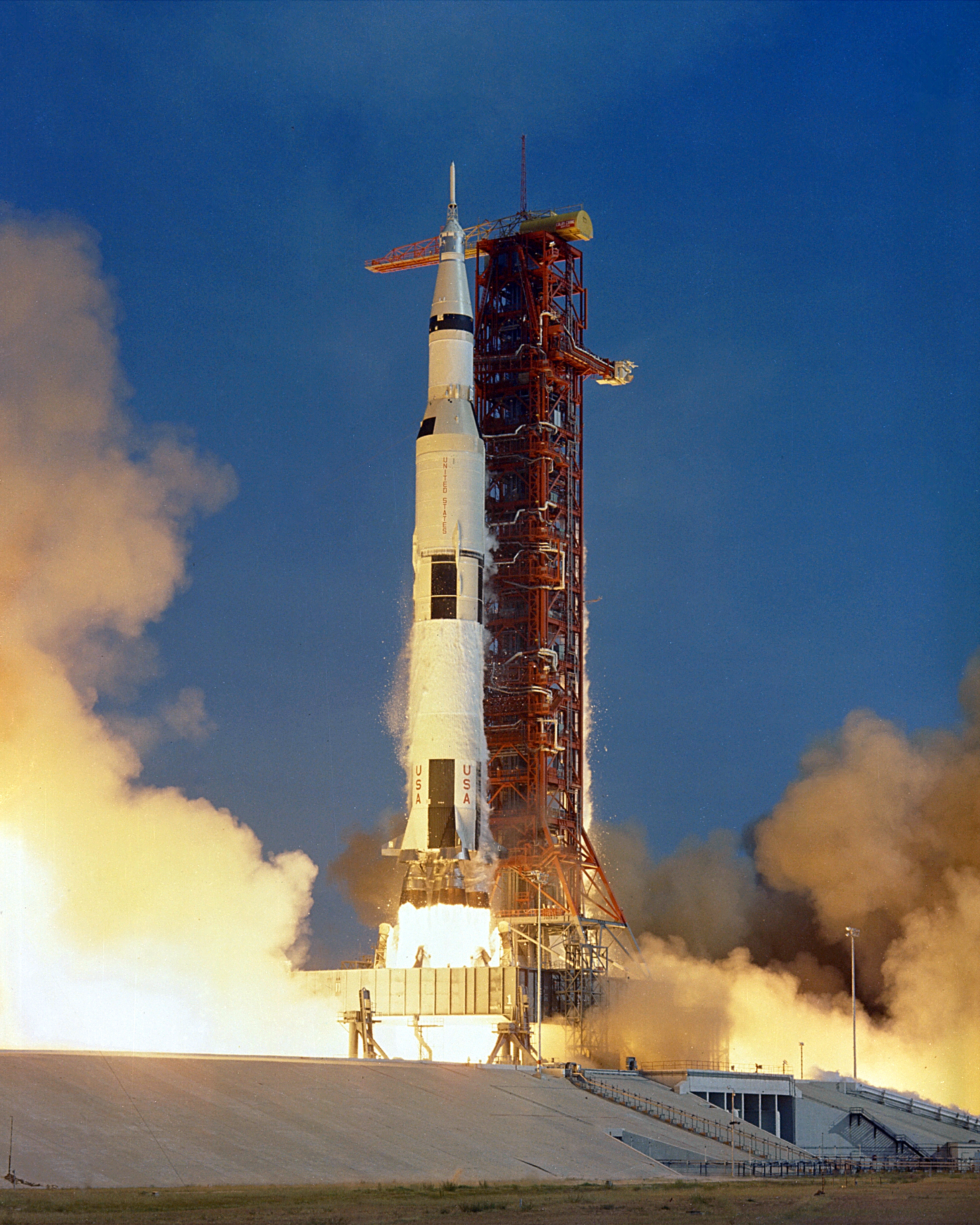
apollo 11 launch, 1969 — the culmination of liquid-fueled rocketry goddard pioneered. source: wikimedia commons

The challenge was combustion stability. Liquid oxygen and gasoline are violently reactive. Goddard designed a regeneratively cooled chamber, circulating cold fuel around engine walls before injection. His wife Esther filmed the launch. His later rockets reached over 9,000 feet. He pioneered gyroscopic guidance, parachute recovery, and variable-thrust engines, filing over 200 patents.
He died in 1945 before his work bore its fullest fruit. When engineers examined captured V-2 rockets, they found designs eerily similar to Goddard's patents. Wernher von Braun called him the father of modern rocketry. NASA's Goddard Space Flight Center carries his name. What he proved was that radical ideas need patient engineering. The dream was interplanetary travel. The first step was 41 feet. Two and a half seconds was enough to prove the concept. Everything else was iteration.