on-this-day · may 19
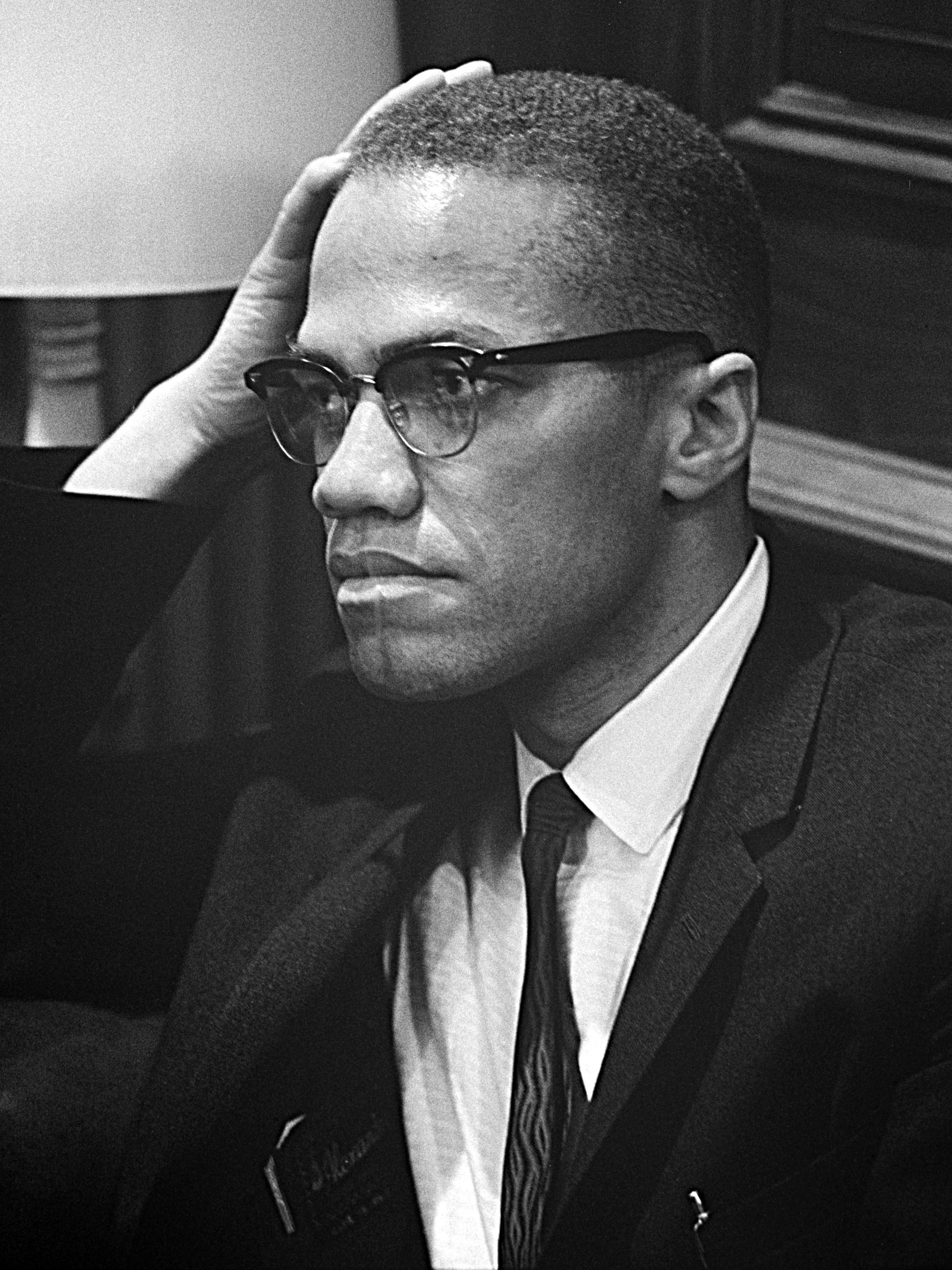
malcolm x photographed on march 26, 1964, the day he met martin luther king jr. source: wikimedia commons

The Architecture of Identity
On this day in 1925 — Malcolm X was born. He redesigned the conversation about identity and power in america.
2 min read
Malcolm Little was born in Omaha, Nebraska, on May 19, 1925. His father, a Baptist minister and Marcus Garvey organizer, was likely murdered by white supremacists when Malcolm was six. His mother was institutionalized. He grew up in foster homes, dropped out of school, and by his early twenties was in prison for burglary. It was in prison that he found the Nation of Islam, and it was there that Malcolm Little became Malcolm X.
The X replaced the surname he called a slave name -- the identity imposed by a system designed to erase African heritage. Malcolm became the Nation of Islam's most visible spokesperson, advocating Black self-determination, economic independence, and separation from white America. His rhetoric was sharp, uncompromising, and deliberately confrontational. Where Martin Luther King Jr. appealed to the moral conscience of white America, Malcolm X questioned whether that conscience existed at all.

malcolm x addressing a civil rights rally in harlem, new york, 1964. source: wikimedia commons

In 1964, he broke with the Nation of Islam and traveled to Mecca for the hajj. The experience transformed him. He saw Muslims of every race worshipping together and revised his views on race. He adopted the name el-Hajj Malik el-Shabazz, founded the Organization of Afro-American Unity, and began building a broader political movement. He was assassinated on February 21, 1965, at age 39, shot while speaking at the Audubon Ballroom in New York.
Malcolm's influence did not end with his death. The Autobiography of Malcolm X, published later that year, became one of the most important books of the 20th century. He redesigned the conversation about race in America -- not by asking for inclusion, but by questioning the system that required asking in the first place.