on-this-day · may 24
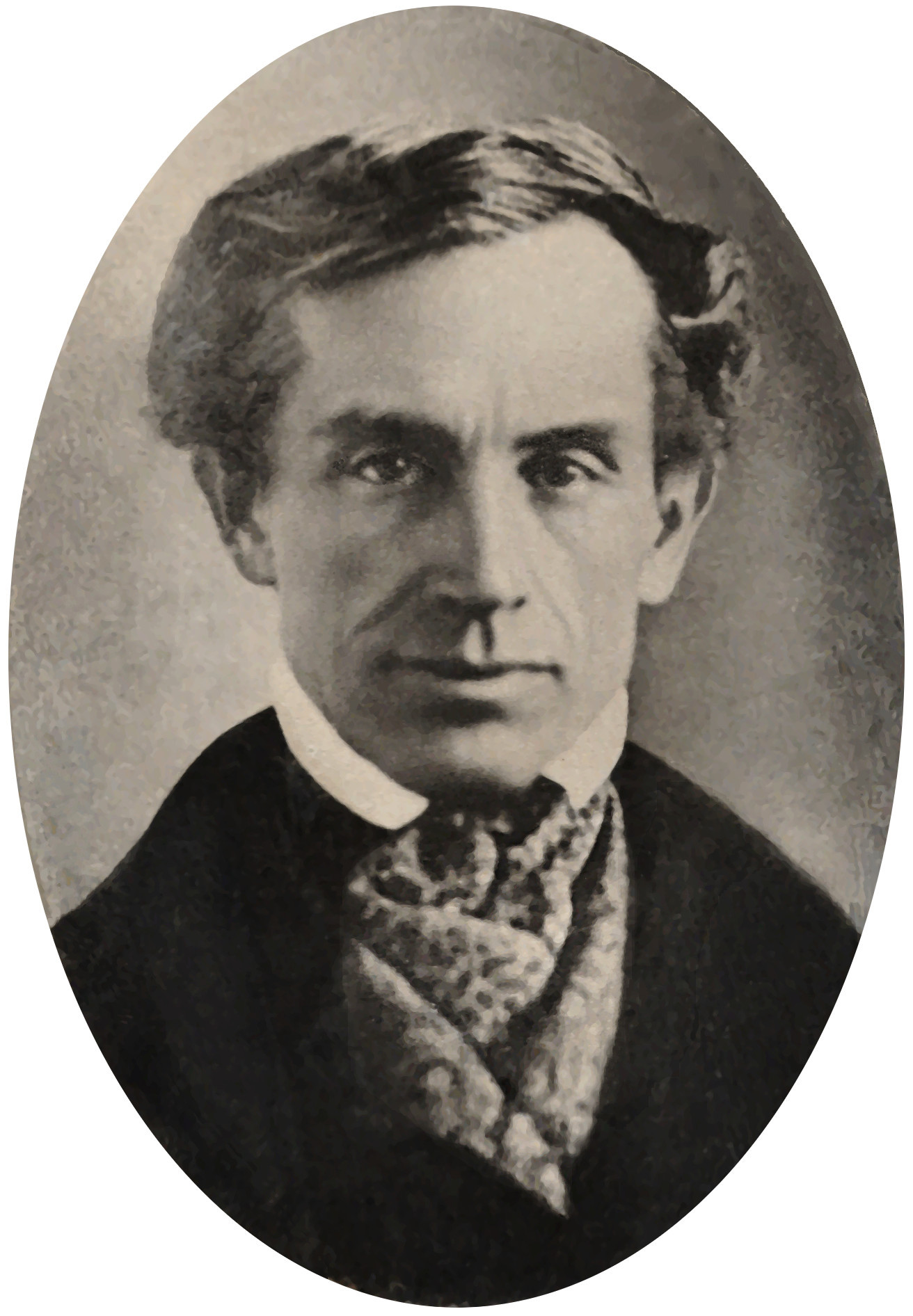
samuel f.b. morse, daguerreotype portrait c. 1840, four years before the first telegraph transmission. source: wikimedia commons

What Hath God Wrought
On this day in 1844 — Samuel Morse sent the first telegraph message: "what hath god wrought." Long distance communication began.
2 min read
On May 24, 1844, Samuel Morse sat in the Supreme Court chamber in the U.S. Capitol and tapped out a message on a device he had spent years perfecting. The message traveled over 40 miles of copper wire to Baltimore, where his partner Alfred Vail received it instantly. The message read: "What hath God wrought" -- a phrase chosen by Annie Ellsworth, the daughter of the patent commissioner. Long-distance communication had just been invented.
Morse was not an engineer. He was a painter -- one of the most successful portrait artists in America. The idea for the telegraph came to him in 1832, during a transatlantic voyage, when a fellow passenger demonstrated an electromagnet. Morse spent the next twelve years developing the technology, designing the code that bears his name, and lobbying Congress for funding. In 1843, Congress allocated $30,000 to build the experimental Washington-Baltimore line.
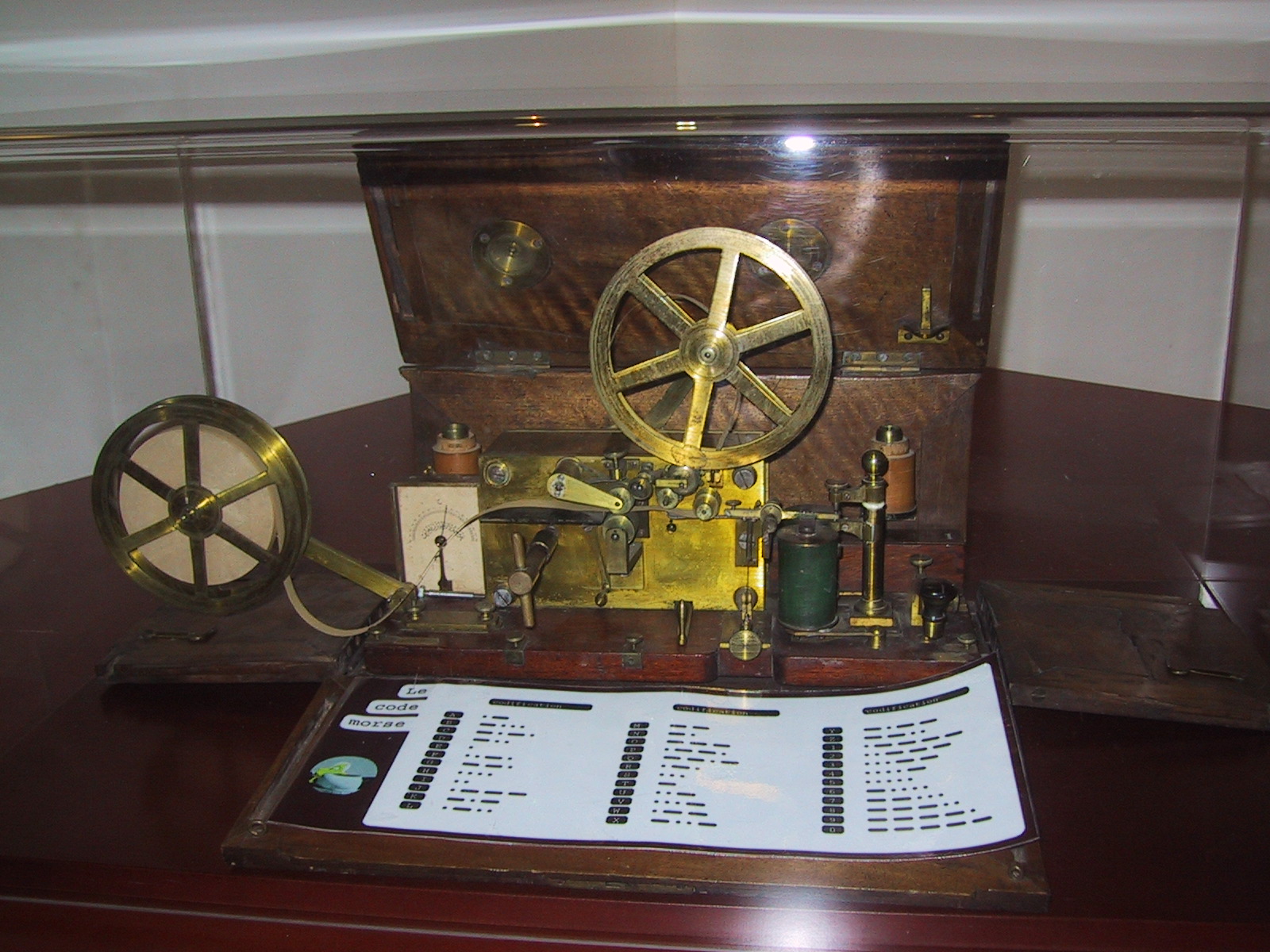
samuel morse's original telegraph prototype, 1837, on display at the national museum of american history. source: wikimedia commons

The telegraph collapsed distance. Before 1844, information traveled at the speed of a horse or a ship. After, it traveled at the speed of electricity. News that once took days reached its destination in seconds. Financial markets synchronized. War dispatches arrived in real time. Railroads used the telegraph to coordinate schedules and prevent collisions. Within a decade, telegraph lines crisscrossed the continent.
Morse did not invent electrical communication from nothing -- others had experimented with similar ideas. But he built the system that worked, the code that scaled, and the political support that funded it. The telegraph was the first technology to separate communication from transportation. Every network that followed -- telephone, radio, internet -- extended the same principle. Morse tapped out a biblical phrase, but the real message was structural: distance no longer determined the speed of information.