on-this-day · may 26

sally ride, nasa mission specialist and first american woman in space, photographed in 1984. source: wikimedia commons

Stars That Don't Twinkle
On this day in 1951 — Sally Ride was born. First american woman in space. She said the stars don't look bigger, but they don't twinkle.
2 min read
Sally Kristen Ride was born in Los Angeles on May 26, 1951, and grew up playing tennis competitively. She was good enough to consider going professional. Instead, she studied physics at Stanford, earning a doctorate in astrophysics. In 1978, she was one of 35 selected from over 8,000 applicants for NASA's astronaut class -- the first class to include women.
On June 18, 1983, Ride became the first American woman in space, launching aboard the space shuttle Challenger. She was 32 -- the youngest American astronaut at the time. The media obsession was relentless and often condescending. Reporters asked whether she cried when things went wrong in the simulator. Whether the flight would affect her reproductive organs. She handled it with flat, deadpan precision. When asked what it was like in space, she said the stars do not look bigger, but they do not twinkle.
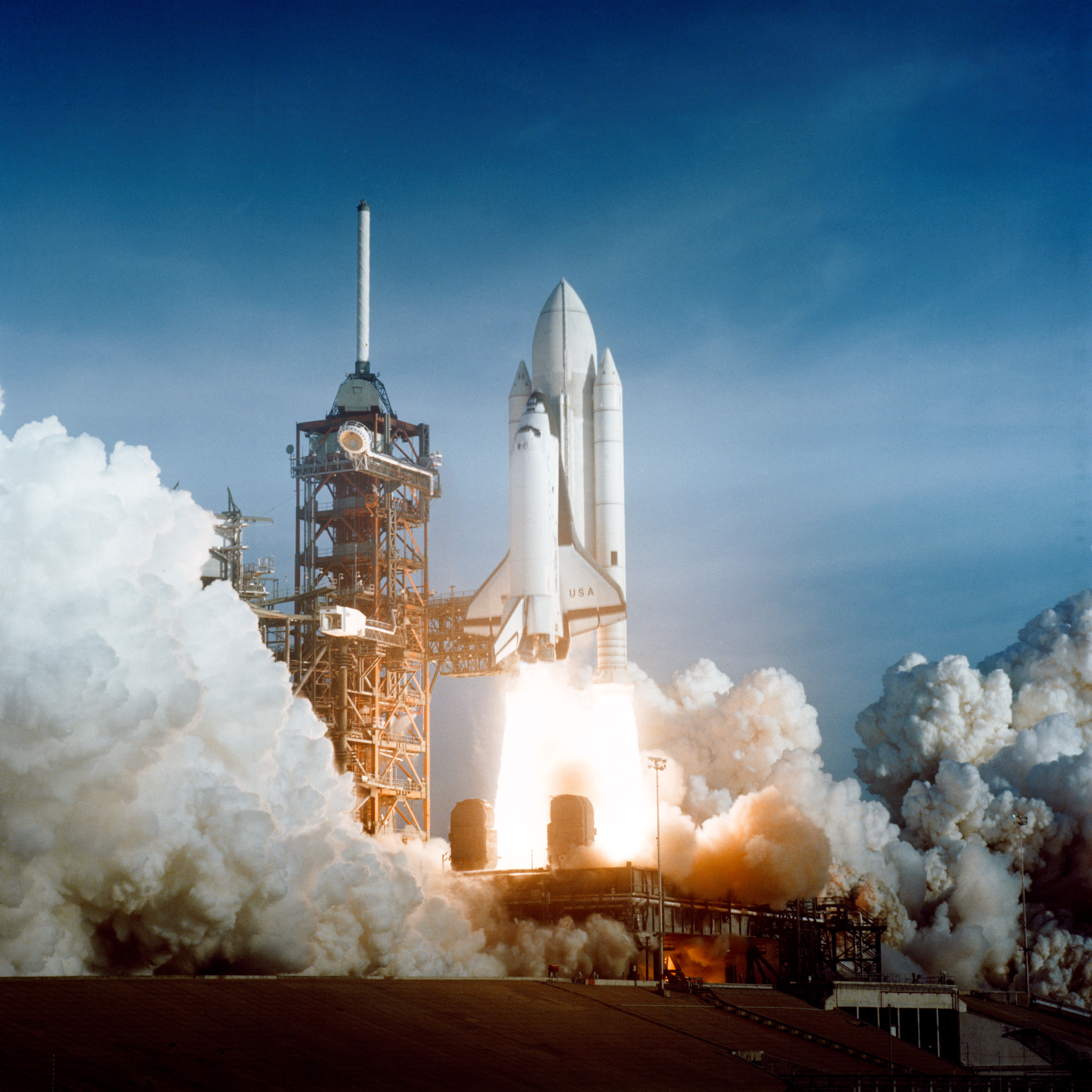
space shuttle columbia launching from kennedy space center -- the shuttle program that carried sally ride into history. source: wikimedia commons

Ride flew again in 1984 and was training for a third mission when Challenger exploded in 1986. She served on the presidential commission investigating the disaster and later wrote a report on the future of NASA that influenced the agency's direction for decades. After leaving NASA, she became a physics professor at UC San Diego and founded Sally Ride Science, focused on getting girls interested in STEM fields.
Ride died of pancreatic cancer in 2012 at age 61. Her obituary revealed that her partner of 27 years was a woman -- Tam O'Shaughnessy. She had never publicly discussed her personal life. Ride's legacy is not about being first. It is about what she did after: using her visibility to redesign who gets to imagine themselves as a scientist. She opened a door and spent the rest of her life making sure it stayed open.