on-this-day · june 23
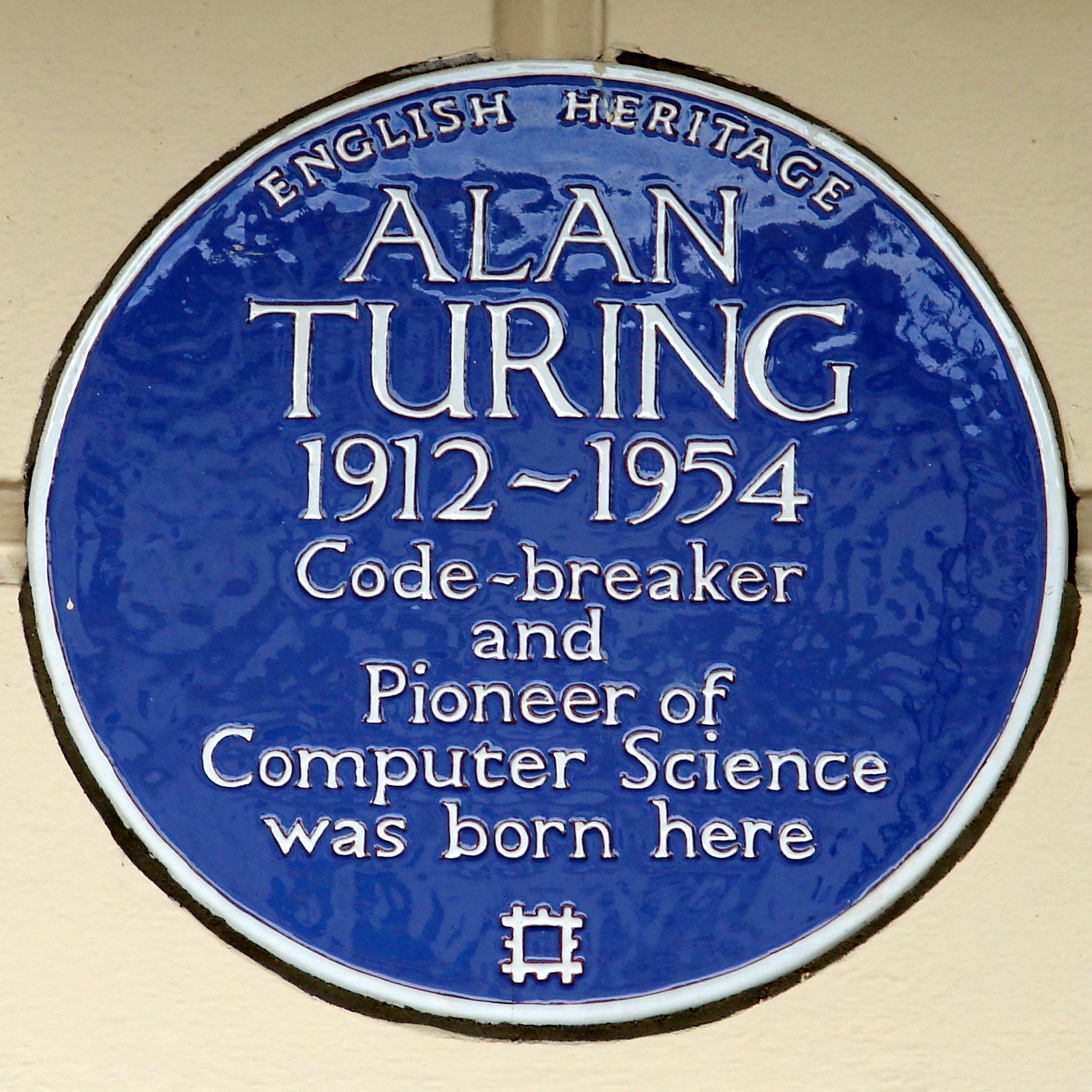
alan turing, mathematician and founder of computer science, born june 23, 1912. source: wikimedia commons
.jpg)
The Man Who Taught Machines to Think
On this day in 1912 — Alan Turing was born. He asked "can machines think?" and then built one to prove they could.
2 min read
Alan Mathison Turing was born in London on June 23, 1912. His father worked for the Indian Civil Service and was often absent. From early on, Turing showed an unusual affinity for numbers, patterns, and problems others found inscrutable. At Cambridge, he became fascinated by a problem posed by David Hilbert: could there be a mechanical procedure to determine whether any mathematical statement is provable?
In 1936, at 24, Turing published "On Computable Numbers." He described a theoretical machine -- now called a Turing machine -- that could read and write symbols on an infinite tape according to rules. Any computation performable by any machine could, in principle, be performed by a Turing machine. The paper laid the foundation for computer science and introduced the algorithm as a formal process.
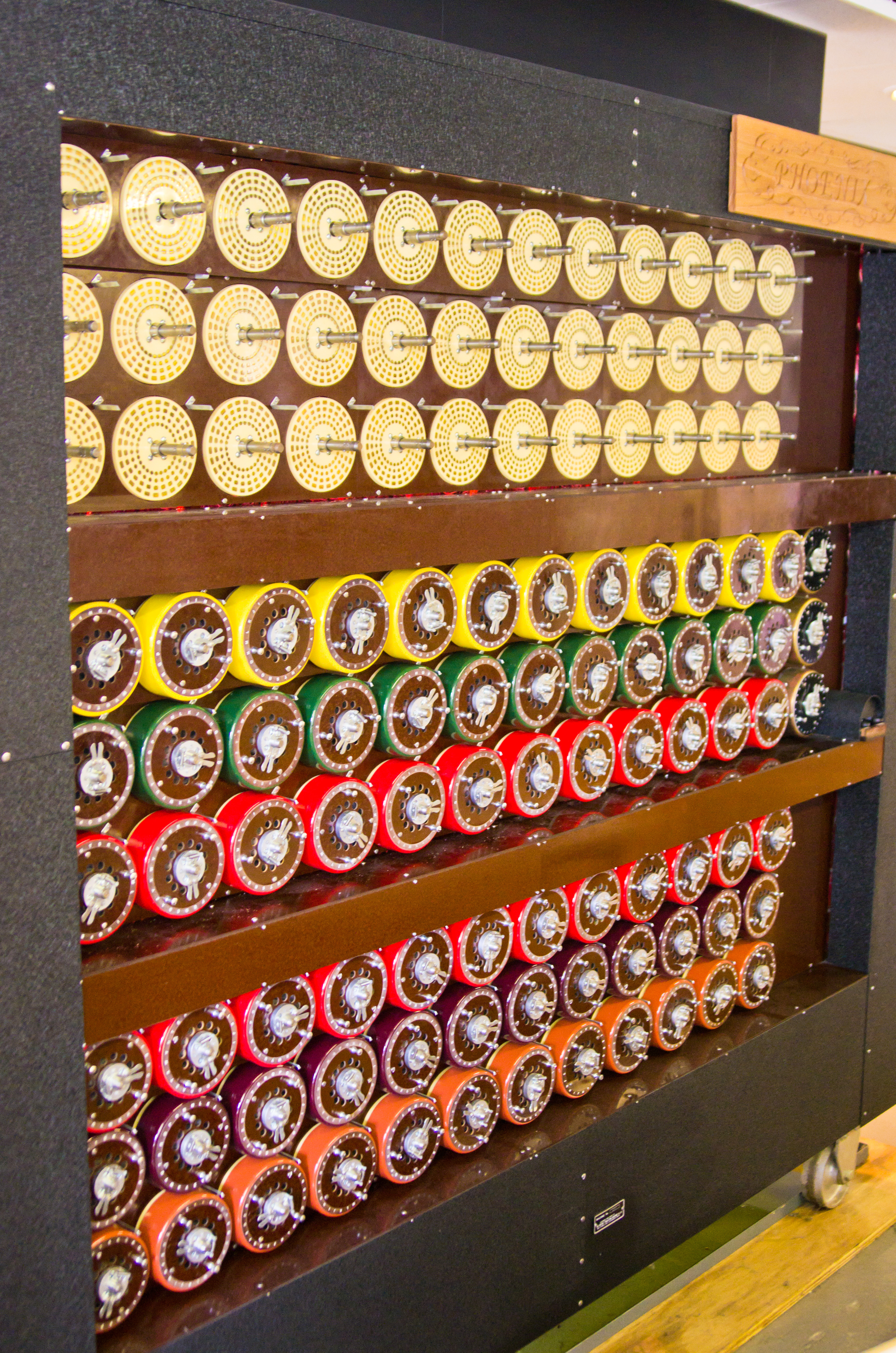
a rebuilt bombe machine at bletchley park -- turing's electromechanical device that cracked enigma-encrypted messages and shortened world war ii. source: wikimedia commons

When World War II began, Turing joined Bletchley Park, where he designed the Bombe to crack Germany's Enigma cipher. The intelligence gained is estimated to have shortened the war by two years. After the war, he worked on building actual computers. The Manchester Baby ran the first stored program in 1948. In 1950, he published "Computing Machinery and Intelligence," opening with "Can machines think?" and proposing the Turing Test -- still one of the most influential texts in artificial intelligence.
In 1952, Turing was convicted of gross indecency for being gay, given chemical castration, and had his security clearance revoked. On June 7, 1954, he was found dead at 41 from cyanide poisoning. A half-eaten apple was nearby, never tested. The inquest ruled suicide. In 2013, he received a royal pardon. In 2021, his face appeared on the 50-pound note. Alan Turing, who saved his country and invented the framework for the digital age, died alone, persecuted by the state he had served.