on-this-day · june 8
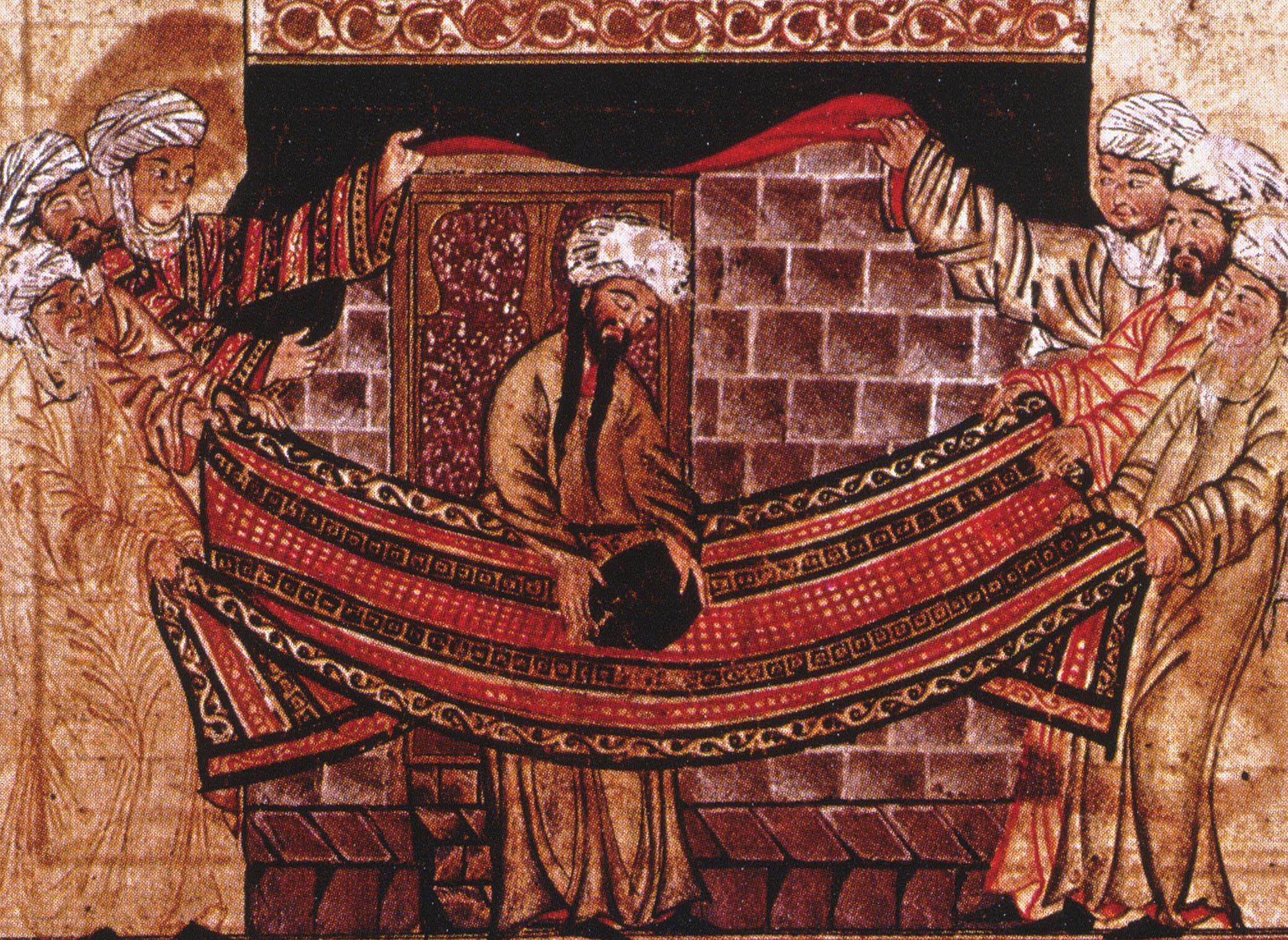
a 1315 manuscript painting depicting the prophet muhammad and pilgrims at the kaaba in mecca. source: wikimedia commons

The Architecture of a Civilization
On this day in 632 — the Prophet Muhammad died. The architecture and design of Islamic civilization flowered from his teachings.
2 min read
Muhammad ibn Abdullah died on June 8, 632, in Medina, in the house of his wife Aisha. He was 62. He had spent 23 years receiving revelations that would become the Quran, building a community, and establishing the foundations of what would become one of the world's major civilizations. At his death, the Islamic community numbered in the tens of thousands. Within a century, it would span from Spain to India. Within two centuries, Islamic scholars were translating Greek philosophy, inventing algebra, and designing cities that rivaled Rome.
The design influence of Islam is inseparable from the revelation itself. Mosques needed orientation toward Mecca. Public spaces needed to accommodate communal prayer. Cities needed markets, schools, hospitals, and fountains for ritual washing. The built environment was shaped by theological requirements, but also by aesthetics, mathematics, and geometry as spiritual expression.
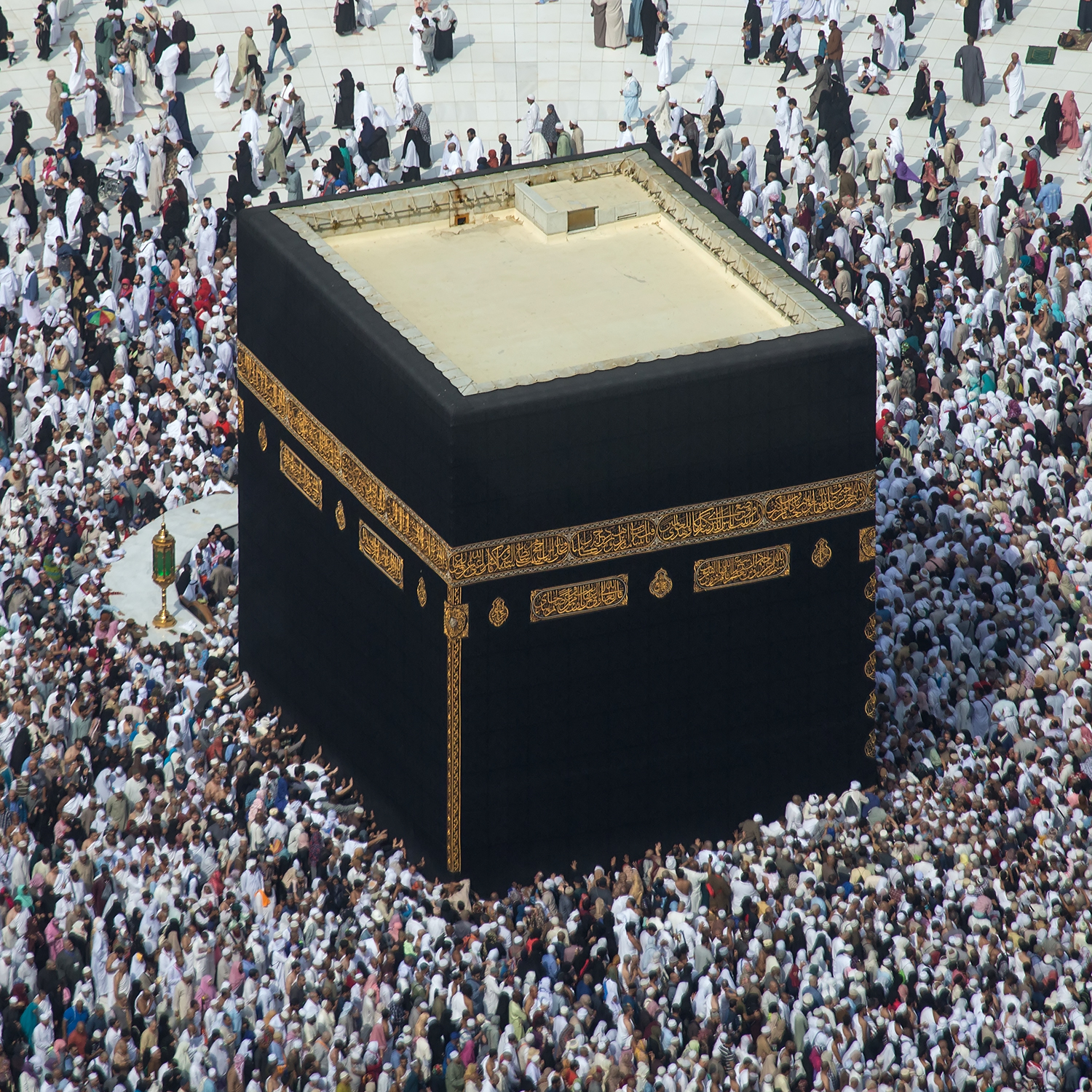
the kaaba at masjid al-haram, mecca -- the holiest site in islam and the center of the annual hajj pilgrimage. source: wikimedia commons

Islamic art developed a visual language rooted in abstraction. The prohibition against depicting living beings in religious contexts pushed artists toward calligraphy, geometric patterns, and arabesques. Geometric patterns, infinitely repeating and tessellating, suggested the infinite nature of God. Calligraphy transformed the word into architecture. Islamic scholars preserved and expanded Greek knowledge during the European Middle Ages. They developed algorithms -- a word derived from al-Khwarizmi. They refined the astrolabe. The House of Wisdom in Baghdad was a research institution where scholars from different cultures worked together on mathematics, astronomy, medicine, and philosophy.
The Alhambra in Granada remains one of the clearest expressions of Islamic design philosophy -- courtyards, fountains, and tilework demonstrating how architecture can be both functional and contemplative. The pointed arch, later adopted in Gothic cathedrals, originated in Islamic architecture. The concept of the university was refined in Islamic institutions. What began in Medina in 632 became a design language that shaped continents.