on-this-day · july 14

the storming of the bastille, painted by henry singleton. source: wikimedia commons

Systems Redesign by Force
On this day in 1789 — the Bastille was stormed. Revolution is the most violent form of systems redesign.
2 min read
On July 14, 1789, a crowd of Parisians marched on the Bastille, a medieval fortress used as a prison and armory. They were looking for gunpowder. Bread prices were soaring, the king had dismissed his finance minister, and rumors spread that troops were massing. The Bastille held fewer than ten prisoners, but it was a symbol of royal authority. When negotiations failed, they attacked. By late afternoon, the fortress had fallen. The French Revolution had begun.
What happened was not planned. But what followed was deliberate. Within weeks, feudal privileges were abolished. The Declaration of the Rights of Man was drafted. The French did not just replace the king with a parliament. They tried to replace everything -- the calendar, the religion, the units of measurement. They renamed the months, redefined the week as ten days, and reset the year to zero. Most of it did not last, but the ambition was extraordinary.
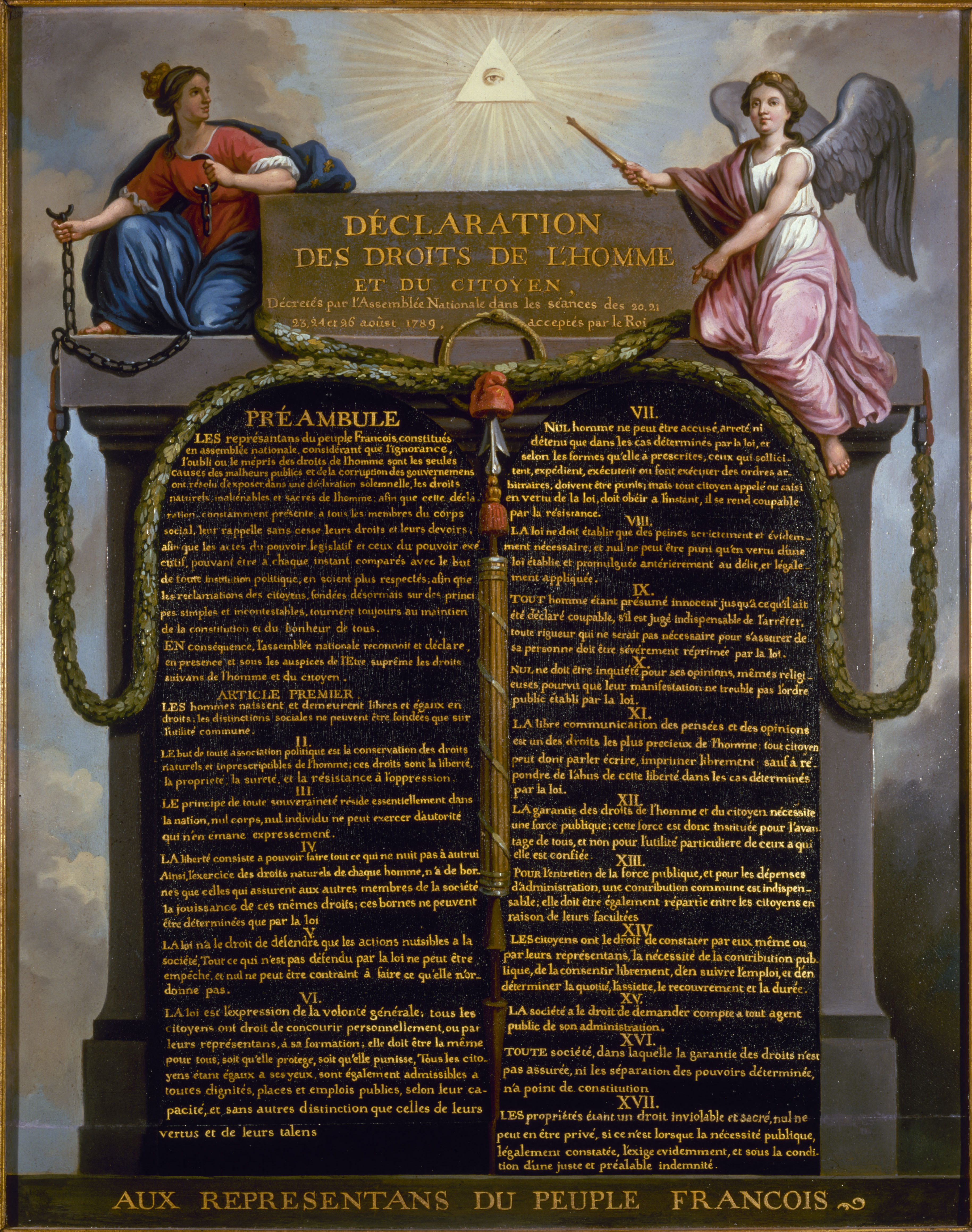
the declaration of the rights of man and of the citizen, 1789. source: wikimedia commons

The revolution also revealed the limits of top-down redesign. The Reign of Terror executed tens of thousands. The revolutionaries turned on each other. What began as a quest for justice devolved into authoritarianism and Napoleon's dictatorship. Still, the ideas spread across Europe -- that governments derive legitimacy from the governed, that rights are universal, that citizens are equal before the law.
Revolution is the most violent form of systems redesign. It destroys faster than it builds. The Bastille was torn down stone by stone. The site is now a traffic circle. The lesson: systems must remain adaptable, or they will eventually be changed by force.