on-this-day · august 24

the theatre district of pompeii, preserved under layers of volcanic ash and pumice since the eruption of mount vesuvius on august 24, 79 ad. source: wikimedia commons

The City Frozen in Time
On this day in 79 AD — Mount Vesuvius erupted, burying Pompeii. An entire city preserved by the thing that destroyed it.
2 min read
On August 24, 79 AD, Mount Vesuvius erupted with a violence that Pliny the Younger would later describe as a pine tree made of ash, rising miles into the sky. The eruption buried the Roman cities of Pompeii and Herculaneum under volcanic material. Pompeii disappeared under 13 to 20 feet of pumice and ash. Most of its roughly 11,000 residents had little warning. Those who didn't flee were killed by pyroclastic flows -- superheated clouds of gas and rock moving faster than anyone could run.
What made this disaster unique was what it left behind. The ash that killed Pompeii also preserved it. Buildings, frescoes, mosaics, food, graffiti -- everything sealed under volcanic debris that hardened into a protective shell. The city remained buried for over 1,600 years until systematic excavations began in the 18th century. What archaeologists uncovered wasn't just ruins. It was a snapshot of Roman life, frozen at the moment of catastrophe.
Pompeii revealed how ordinary Romans lived. Bakeries with bread still in ovens. Taverns with wine jars along walls. Homes with gardens and plumbing. Public baths with intricate tilework. You could walk the streets and see where merchants sold goods, where politicians campaigned, where citizens gathered to gossip.
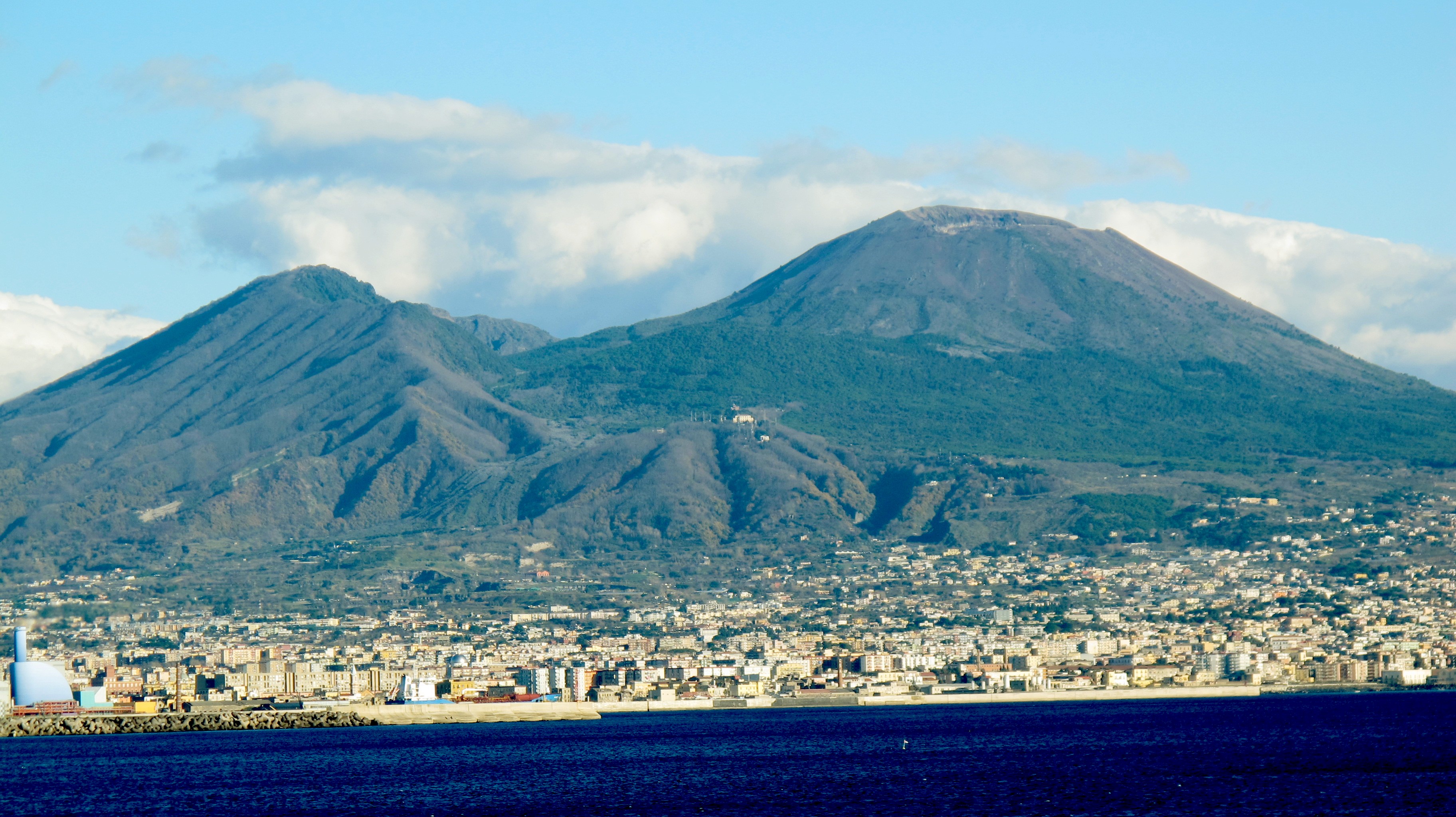
the crater of mount vesuvius, the volcano whose eruption on august 24, 79 ad buried pompeii and herculaneum -- and in doing so, preserved them. source: wikimedia commons

The human cost was documented hauntingly. Archaeologist Giuseppe Fiorelli in the 1860s filled voids in the ash where bodies had decomposed with plaster, creating casts of victims in their final moments. People huddled together, shielding faces, clutching loved ones. Not sculptures. Direct impressions of real people, preserved by accident.
Pompeii reminds us that preservation happens in unexpected ways. The thing that destroys can also protect. The city was lost, but in being lost, it was saved. What remains is a lesson in how fragile and how durable human design can be.