on-this-day · august 5
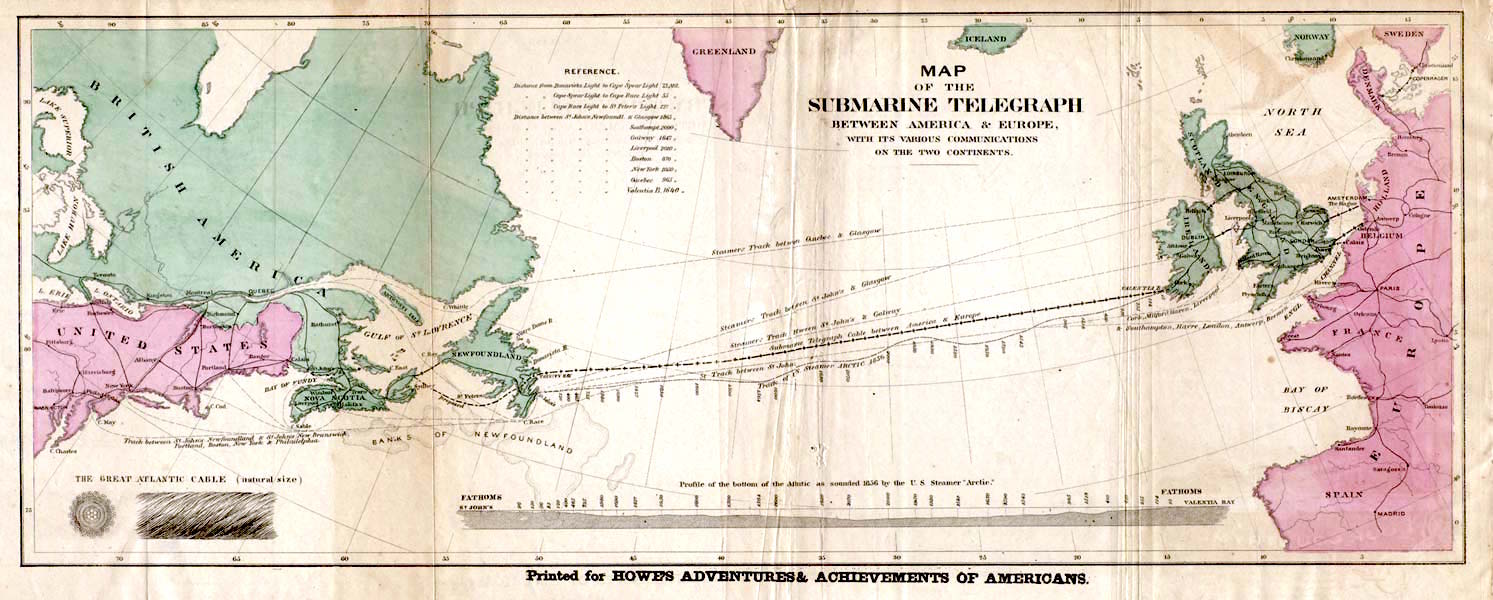
route of the 1858 transatlantic telegraph cable. source: wikimedia commons

The Wire That Crossed an Ocean
On this day in 1858 — The first transatlantic telegraph cable was completed between the US and England.
2 min read
On August 5, 1858, after three failed attempts, two ships met in the middle of the Atlantic. The HMS Agamemnon and USS Niagara had been laying cable from opposite ends -- Ireland and Newfoundland -- across 1,950 miles of open water. When they connected the final splice, a new kind of distance collapsed. A message could travel between continents in minutes instead of weeks.
The project was absurd on its face. The cable was copper wire wrapped in gutta-percha and armored with iron, weighing over a ton per mile. The ocean floor descends more than two miles deep. The man behind it, Cyrus West Field, was a businessman with no engineering background and extraordinary persuasion. He raised over half a million dollars and convinced both governments to support the effort.
On August 16, Queen Victoria sent a message to President Buchanan. It took 16 hours to transmit 98 words. Cities erupted in celebration. Then the cable failed. By September, the signal had degraded to nothing. Critics called it an expensive fantasy.
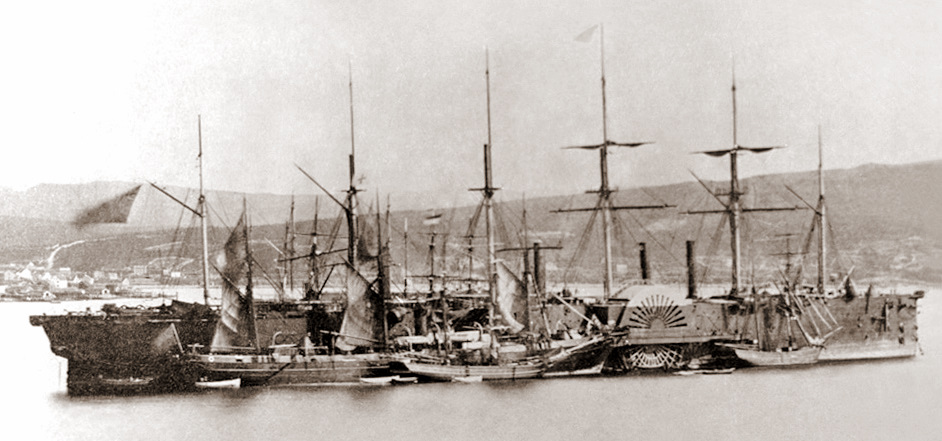
the ss great eastern, the ship that successfully laid the transatlantic telegraph cable in 1866. source: wikimedia commons

But the engineers learned. In 1866, a new cable was laid by the SS Great Eastern. This one worked. And it kept working. Before it, news from Europe took ten days by steamship. After, information moved at the speed of electricity. Markets synchronized. Diplomacy accelerated. Distance became geographic fact, not communicative barrier.
Every undersea data cable today -- the fiber optic lines carrying 99% of global internet traffic -- descends from that first copper wire. The internet is not wireless. It is physical cables, mostly underwater. The first cable failed. The second barely worked. The third changed the world. That is what infrastructure does. It makes the impossible routine.