on-this-day · january 1
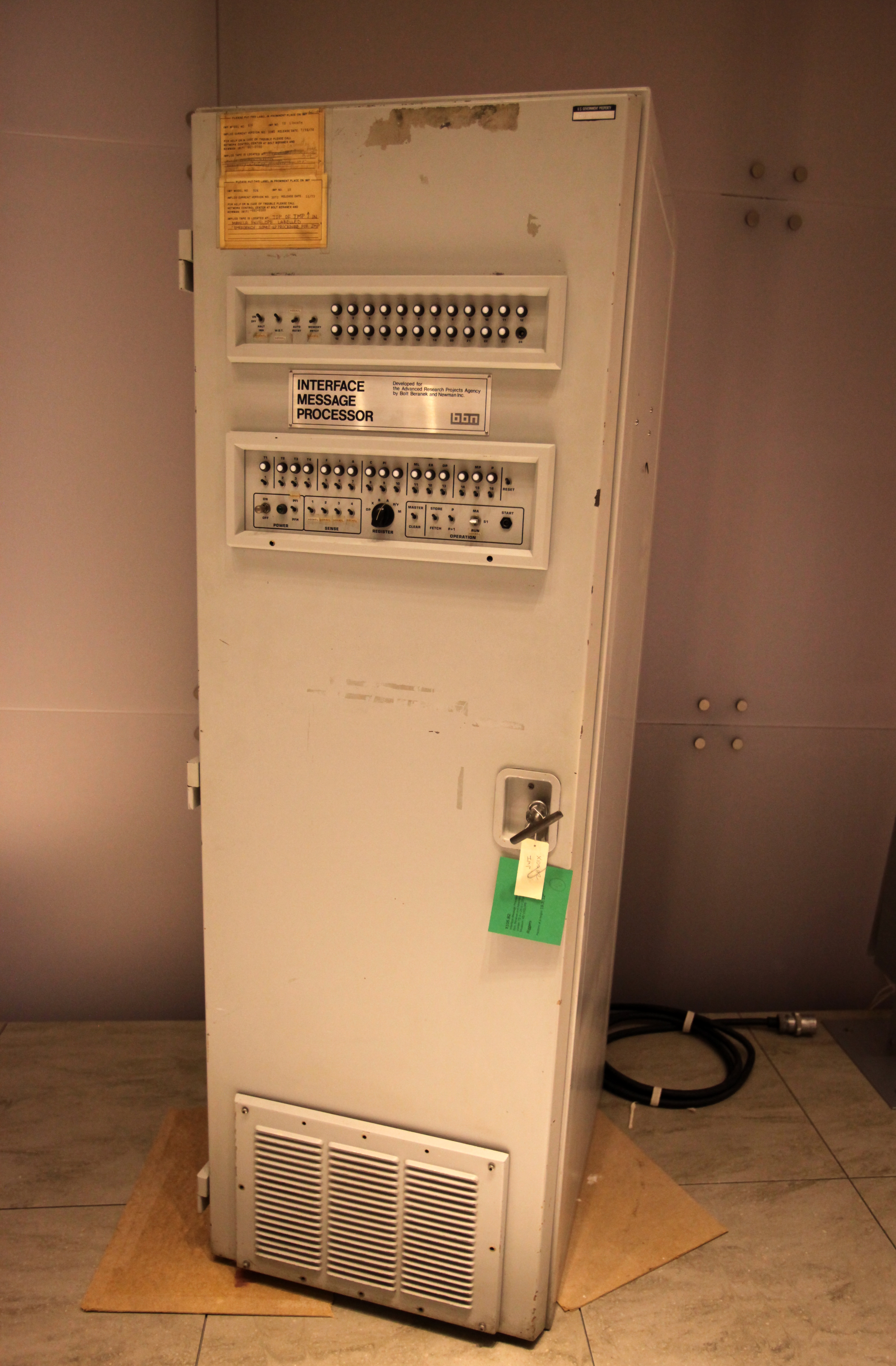
the bbn interface message processor (imp), the first arpanet router, 1969. source: wikimedia commons

Flag Day
On this day in 1983 — The Internet was born. ARPANET officially switched to TCP/IP, the protocol that still moves every packet today.
2 min read
January 1, 1983 was supposed to be a catastrophe. Every computer on ARPANET had to flip a switch at midnight, abandoning the Network Control Protocol that had worked for over a decade and replacing it with something untested at scale: TCP/IP. The Department of Defense decreed it. The deadline was non-negotiable.
It didn't break. At midnight, ARPANET switched over. The network kept running. Engineers called it Flag Day, after the naval tradition of changing a ship's allegiance by raising a new flag. This one was invisible, written in software, and it changed everything.
TCP/IP wasn't just a replacement. It was a reimagining. The old system, NCP, assumed a reliable network. But Vint Cerf and Bob Kahn had a different vision. They imagined a network of networks where messages could be chopped into packets, sent through any available route, and reassembled on the other end. They designed for chaos.
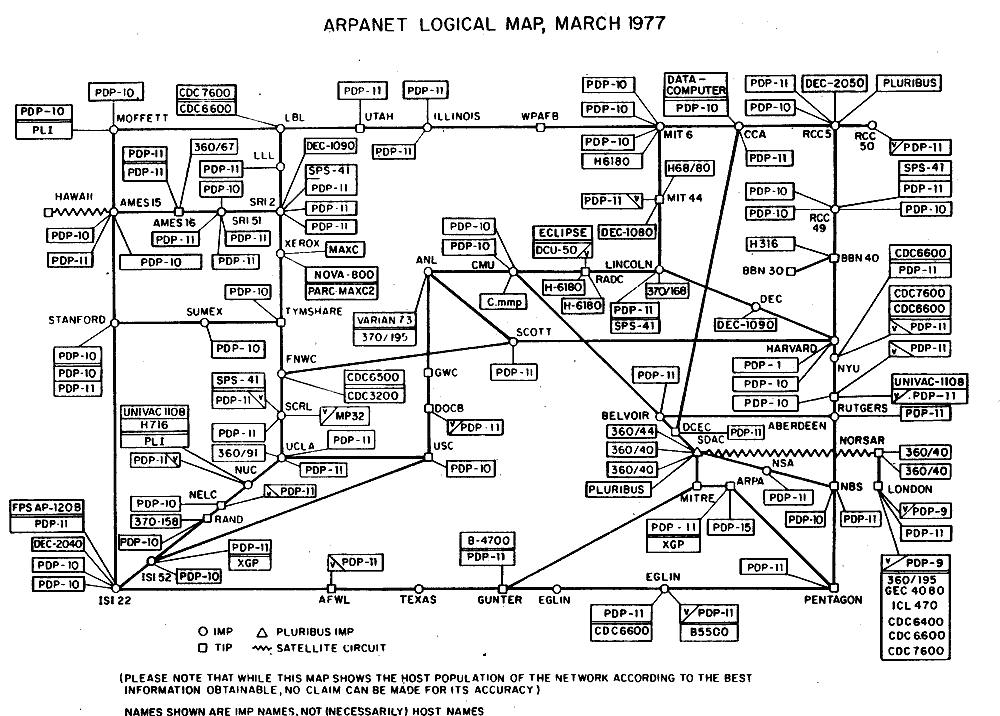
arpanet logical map, march 1977, showing connected nodes across the united states. source: wikimedia commons

That assumption turned out to be the most important design decision in Internet history. TCP/IP treated unreliability as a feature. It didn't care if you were connecting a mainframe or a laptop. The protocol worked on satellites, phone lines, fiber optics, and later Wi-Fi. Just as Samuel Morse's telegraph abstracted communication into dots and dashes, TCP/IP abstracted data into packets and left the rest to infrastructure.
The designers didn't know they were building the substrate of modern life. They thought they were solving a military logistics problem. But they built it open, published the specs, didn't patent it. That openness is why the protocol survived. Today, TCP/IP is so fundamental it's invisible -- older than the Web, older than most Internet companies. Still moving packets, indifferent to what they contain.