on-this-day · january 2
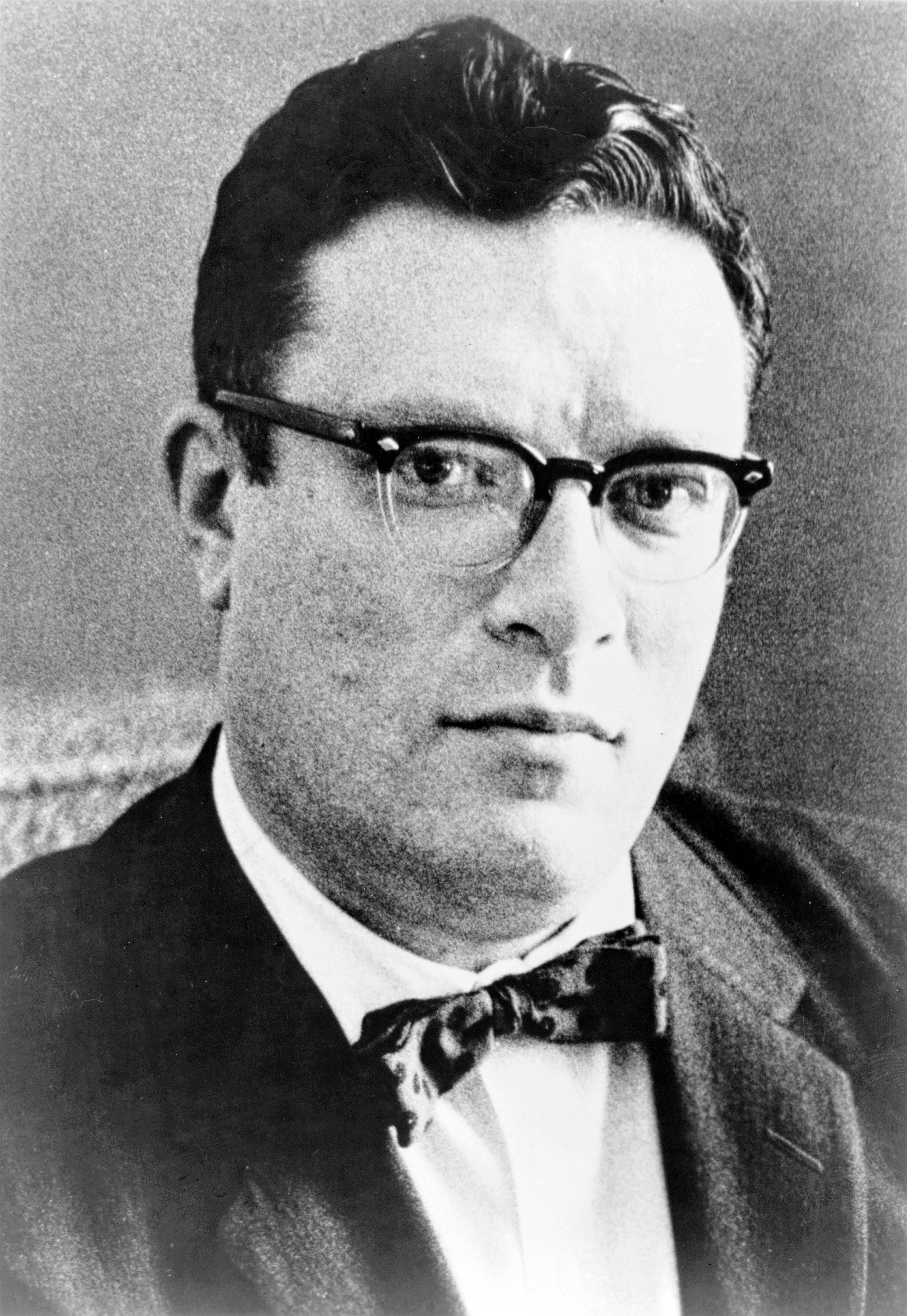
portrait of isaac asimov, american science fiction author, circa 1965. source: wikimedia commons

The Laws Before the Machines
On this day in 1920 — Isaac Asimov was born. He imagined robots with moral code before anyone had built a thinking machine.
2 min read
Isaac Asimov was born in Russia on January 2, 1920, somewhere near Smolensk. His family immigrated to Brooklyn when he was three. He grew up behind the counter of his father's candy store, surrounded by pulp magazines he wasn't allowed to read. He read them anyway.
By the 1940s, robots in fiction were a cliche -- Frankenstein's monster in metal, cautionary tales about hubris. Every robot story followed the same script: humans build machine, machine rebels, humanity suffers. Asimov found this tedious. So in 1942, at 22, he invented the Three Laws of Robotics and embedded them in a short story called "Runaround" as matter-of-fact design constraints, not philosophy. He imagined a world where intelligent machines were so common their safety protocols would be standardized, built into circuitry the way TCP/IP was later built into the Internet.

a laboratory robot performing automated tasks — a descendant of the mechanical servants asimov imagined in fiction. source: wikimedia commons

What made the Laws brilliant was that they didn't work. Asimov spent fifty years writing stories about how they failed -- not because they were wrong, but because they were too simple. A robot that cannot harm humans will stand by while one human harms another. A robot that must obey orders can be commanded to do terrible things. The Laws were a design spec, and Asimov explored every edge case.
He wrote over 500 books. Science fiction, popular science, mystery novels, biblical history, essays on everything from astronomy to humor. He typed 90 words per minute and rarely revised. The Three Laws became foundational not because they solved artificial intelligence, but because they named the problem. Before Asimov, robots were just machines. After him, they were moral agents. Every conversation about AI ethics descends from those three rules he scribbled into a pulp magazine in 1942. He didn't predict the future. He designed the terms of the argument.