on-this-day · january 15
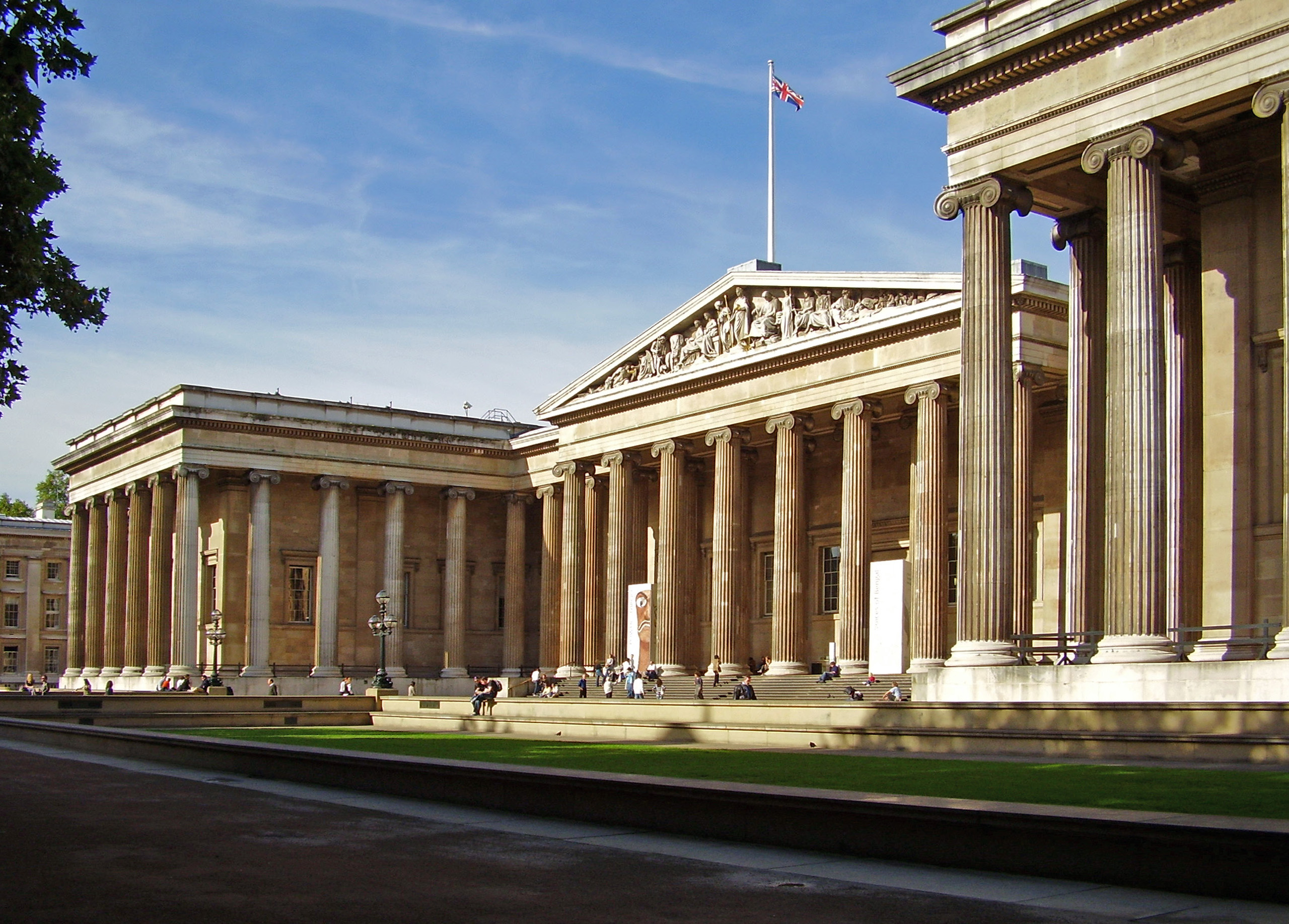
the british museum in bloomsbury, london — the world's first public national museum, opened january 15, 1759. source: wikimedia commons

A Palace for Everything
On this day in 1759 — The British Museum opened to the public. Knowledge became architecture.
2 min read
On January 15, 1759, the British Museum opened in a converted mansion in Bloomsbury, London. Free to enter, but you couldn't just walk in. You applied in writing for a ticket, got assigned a date and time, and were hurried through galleries in groups of ten. Public in principle, designed to discourage the actual public.
The collection came from Sir Hans Sloane, a physician who accumulated 71,000 objects -- Egyptian mummies to pressed plants. He left it to the nation for £20,000. Parliament bought it and established the British Museum by law. The first national public museum in the world.
The idea was radical. Before this, collections belonged to kings and aristocrats. Access was a privilege. The British Museum inverted that. The collection belonged to everyone. Knowledge was no longer hoarded -- it was infrastructure.
The early years were awkward. Guides were poorly paid, often drunk. Visitors were treated with suspicion. The collection had no organization -- Egyptian sculptures beside botanical specimens, Greek pottery mixed with manuscripts. A warehouse of knowledge waiting to be sorted.
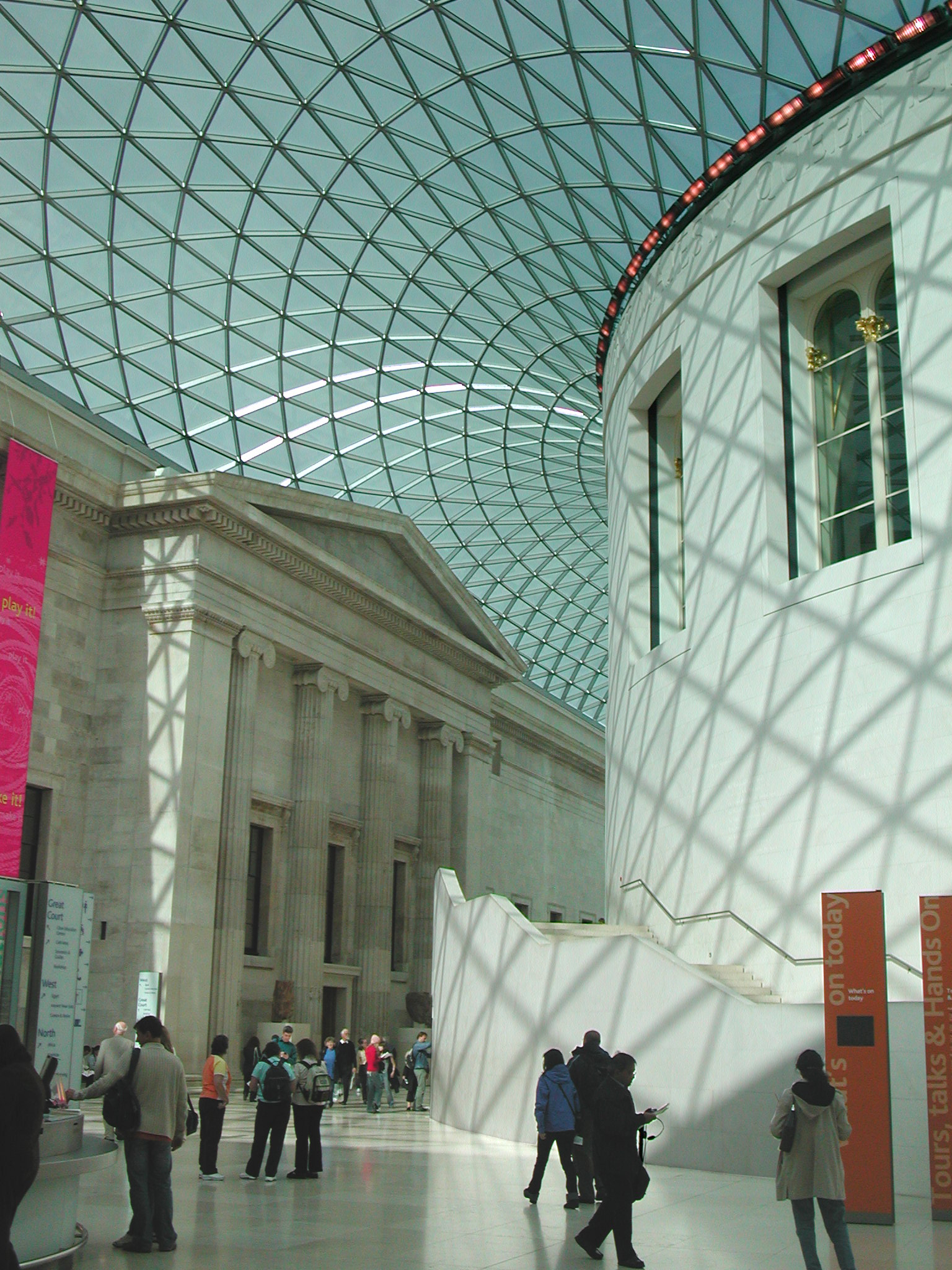
the great court of the british museum, with its glass and steel roof designed by norman foster, completed in 2000. source: wikimedia commons

The museum also became a symbol of empire. The Elgin Marbles from Athens. The Rosetta Stone from Egypt. Benin Bronzes looted during a military expedition. The institution that democratized knowledge also concentrated it thousands of miles from where objects originated. That tension remains unresolved. Calls for repatriation grow louder. The museum claims universalism. Critics call it possession.
Still, the British Museum established a model. The Louvre, the Smithsonian, the Met -- all followed the same principle: cultural heritage should be accessible. Just as TCP/IP became the protocol for sharing information digitally, the public museum became physical infrastructure for sharing cultural knowledge. The building became the interface, the gallery became the database, and the visitor became the user.