on-this-day · november 1
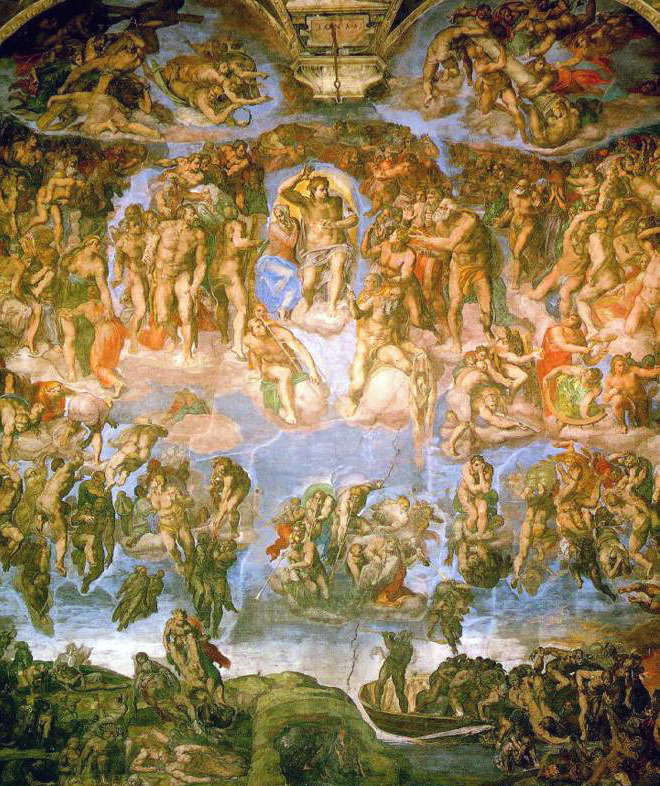
michelangelo's work in the sistine chapel. source: wikimedia commons

Four Years Above the World
On this day in 1512 — the sistine chapel ceiling was first exhibited to the public. Michelangelo spent four years on a scaffold.
2 min read
On November 1, 1512, the scaffolding came down. After four years of painting while standing on elevated platforms, craning upward toward heaven, Michelangelo revealed the Sistine Chapel ceiling to the public for the first time. Pope Julius II celebrated Mass beneath it. The congregation looked up and saw God reaching for Adam, prophets twisting in contemplation, sibyls draped in impossible fabrics. It was the most ambitious fresco project in history, painted by a man who insisted he was a sculptor.
Michelangelo didn't want the job. He suspected a rival had suggested it to set him up for failure. Fresco requires applying pigment to wet plaster before it dries, so each section must be finished in a single session. One mistake and the plaster gets scraped off. Michelangelo worked sixty feet above the floor, on scaffolding he designed himself, painting over 5,000 square feet with more than 300 figures.
The ceiling tells Genesis in nine panels. The most famous image, the Creation of Adam, captures two hands reaching across a gap that never closes. It became the most recognized image in Western art. Around the panels, Michelangelo painted prophets, sibyls, and ancestors of Christ, each rendered with muscular precision that redefined what paint could do on a flat surface.
When the ceiling was revealed, artists came from across Europe to study it. Vasari wrote that the whole world came running. Michelangelo proved that ambition and constraint aren't opposites but collaborators. He didn't choose fresco. He worked within limits imposed by architecture, chemistry, and a pope who kept asking when it would be done. A masterpiece born from resistance.
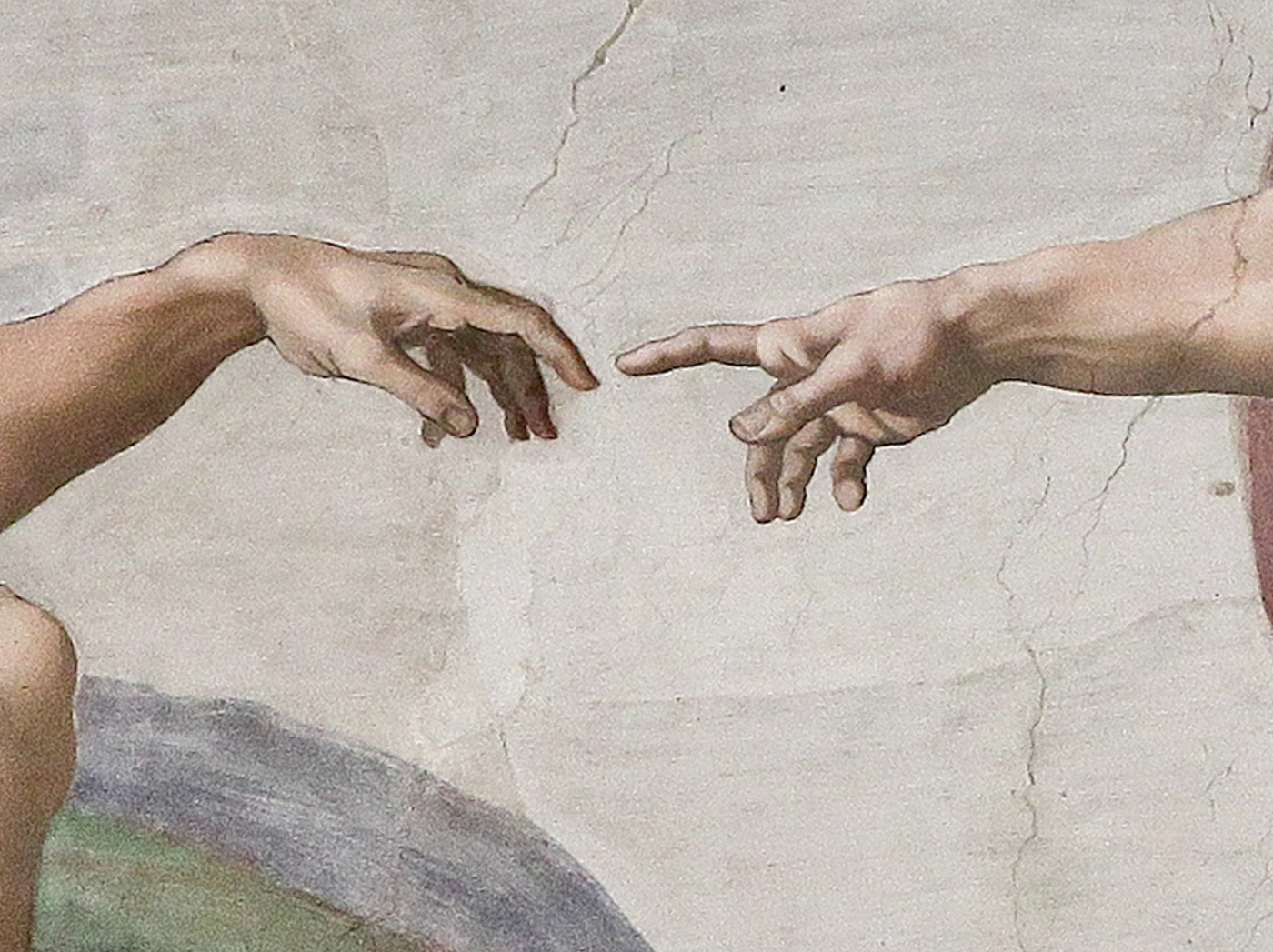
the creation of adam, detail. source: wikimedia commons
_Detail.jpg)