on-this-day · november 13
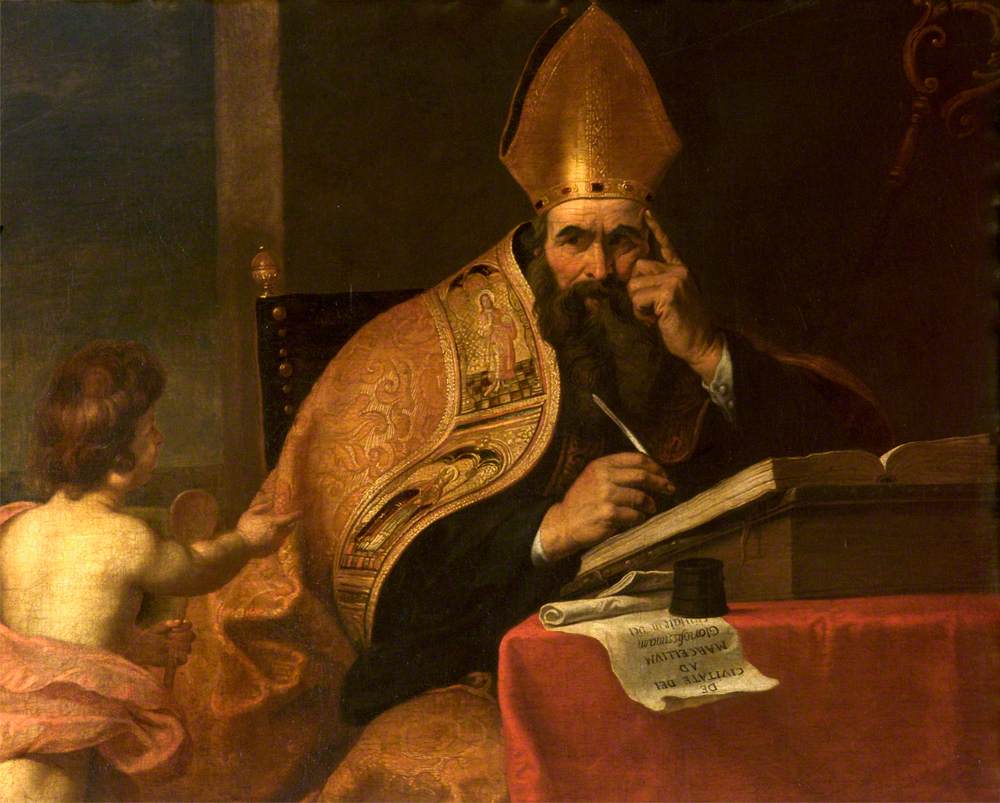
saint augustine, by sandro botticelli. source: wikimedia commons

The Interior Architect
On this day in 354 — augustine of hippo was born. His confessions mapped the interior architecture of guilt and grace.
2 min read
Aurelius Augustinus was born on November 13, 354, in Thagaste, Roman North Africa. He became Augustine of Hippo: bishop, theologian, and author of Confessions, the first great autobiography in Western literature. Before sainthood, he was restless -- chasing rhetoric, ambition, and every philosophical system available. He tried Manichaeism, Neoplatonism, and skepticism before converting to Christianity at thirty-one.
Confessions, written around 397, was a prayer structured as narrative, addressed to God but written for human readers. Augustine mapped his interior life with forensic precision: guilt, desire, memory, time, habit. He invented introspective autobiography. Every diary, every personal essay, every therapy session that asks "when did you first feel this" owes something to Augustine's method.
His other monumental work, The City of God, written after Rome fell to the Visigoths in 410, argued that history is a contest between two cities: one oriented toward divine love, the other toward self-love. It explained why empires collapse and why collapse isn't the end of meaning. Fifteen centuries later, political theorists still use the framework.
Augustine died in 430 while the Vandals besieged Hippo. He shaped the doctrines of original sin and predestination, gave the West its vocabulary for inner life, and proved that the self was territory worth mapping. Every introspective tradition runs through a bishop in a North African city that no longer exists.
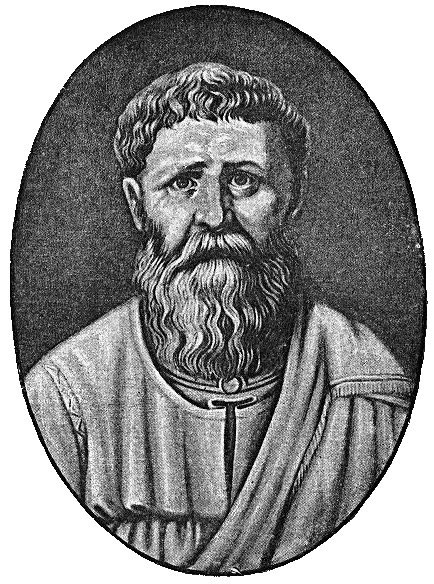
augustine of hippo, bishop of hippo regius and author of confessions and the city of god. source: wikimedia commons
