on-this-day · december 15
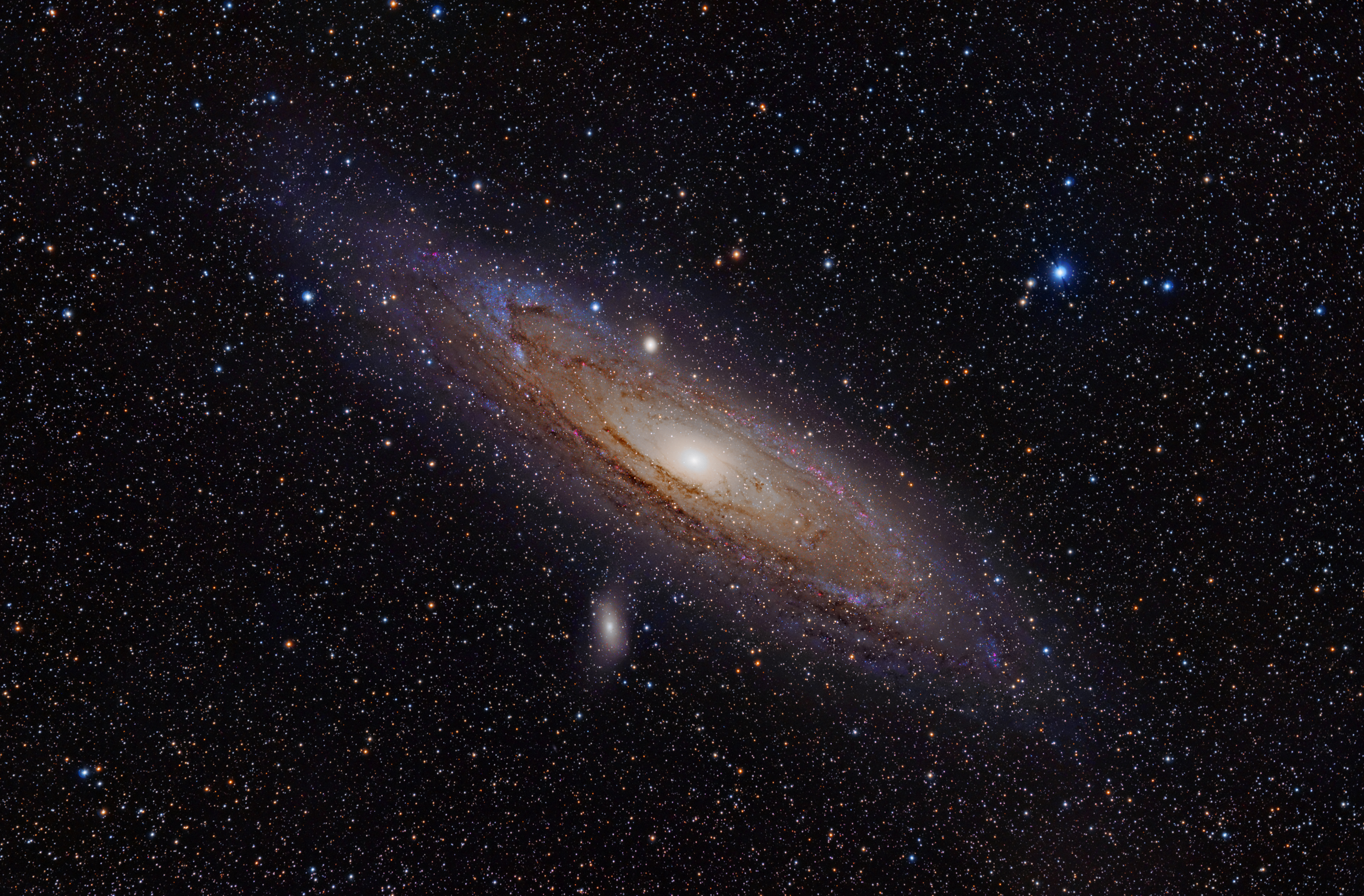
the andromeda galaxy (m31), 2.5 million light-years from earth. source: wikimedia commons
.jpg)
The First Look at Andromeda
On this day in 1612 — Simon Marius was the first to observe the Andromeda galaxy through a telescope.
2 min read
On December 15, 1612, German astronomer Simon Marius pointed his telescope at a faint, hazy patch of light in the constellation Andromeda and recorded the first telescopic observation of what we now call the Andromeda Galaxy. He described it as looking like "the light of a candle shining through horn." He had no idea what it was. Neither would anyone else for over 300 years.
Marius wasn't the only astronomer observing through early telescopes. Galileo had already cataloged Jupiter's moons -- a discovery Marius independently made and controversially claimed credit for. But Marius's Andromeda observation was different. He wasn't looking at something within our solar system. He was looking at an entirely separate galaxy, 2.5 million light-years away, containing a trillion stars. He just didn't know it.
For centuries, astronomers assumed the Milky Way was the entire universe. Nebulae like Andromeda were classified as clouds of gas within our galaxy. The debate continued until 1924, when Edwin Hubble proved that Andromeda was far beyond the Milky Way, a separate "island universe."
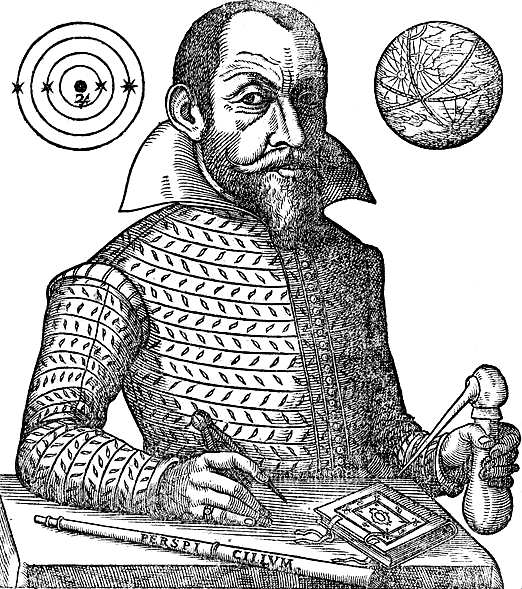
simon marius (1573-1624), german astronomer. source: wikimedia commons

Andromeda is the most distant object visible to the naked eye. Its light left 2.5 million years ago, when early hominids were still figuring out stone tools. And it's heading toward us. The Milky Way and Andromeda are on a collision course, expected to merge in about 4.5 billion years.
Marius saw a smudge of light and wrote it down. That smudge turned out to be a galaxy larger than our own, containing worlds we haven't imagined. Sometimes the most important observations are the ones you can't yet explain.