on-this-day · march 24
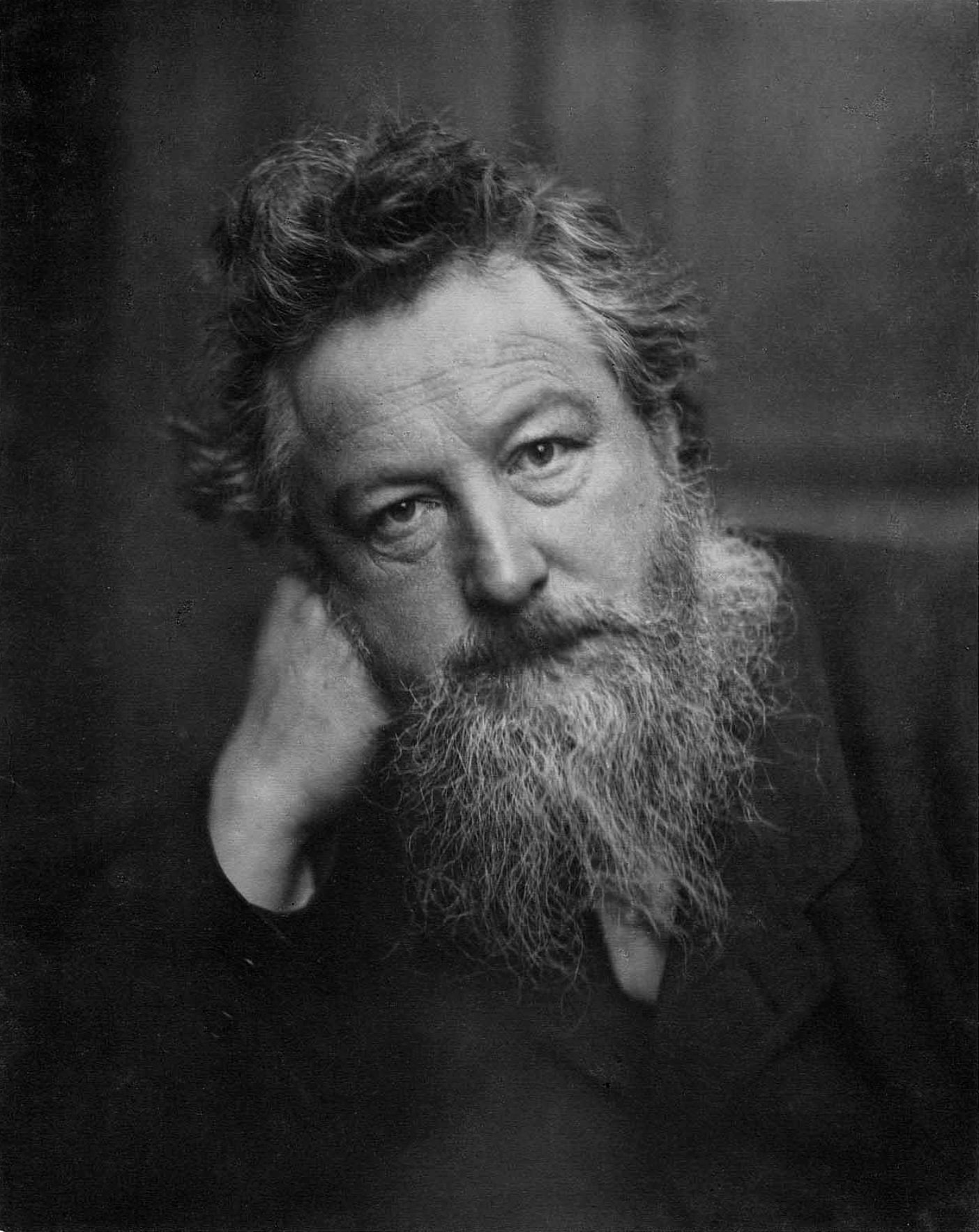
william morris at age 53, designer and founder of the arts and crafts movement. source: wikimedia commons

Beauty for Everyone
On this day in 1834 — William Morris was born. He believed beautiful design should be for everyone, not just the wealthy.
2 min read
William Morris was born on March 24, 1834, in Walthamstow, Essex. He attended Oxford, befriended artists and poets, and hated the Industrial Revolution. Not machines, but what they did to objects. Mass manufacturing made goods cheaper but uglier. Morris believed beauty mattered as a human need. He spent his life trying to prove it.
In 1861, he founded a decorative arts firm producing furniture, stained glass, textiles, wallpaper, and books. Good design should be handmade, rooted in craft, available to everyone. The paradox was immediate. Handmade goods cost more. His wallpapers were beautiful and expensive. The wealthy bought them. His vision was democratic, his business model was not.
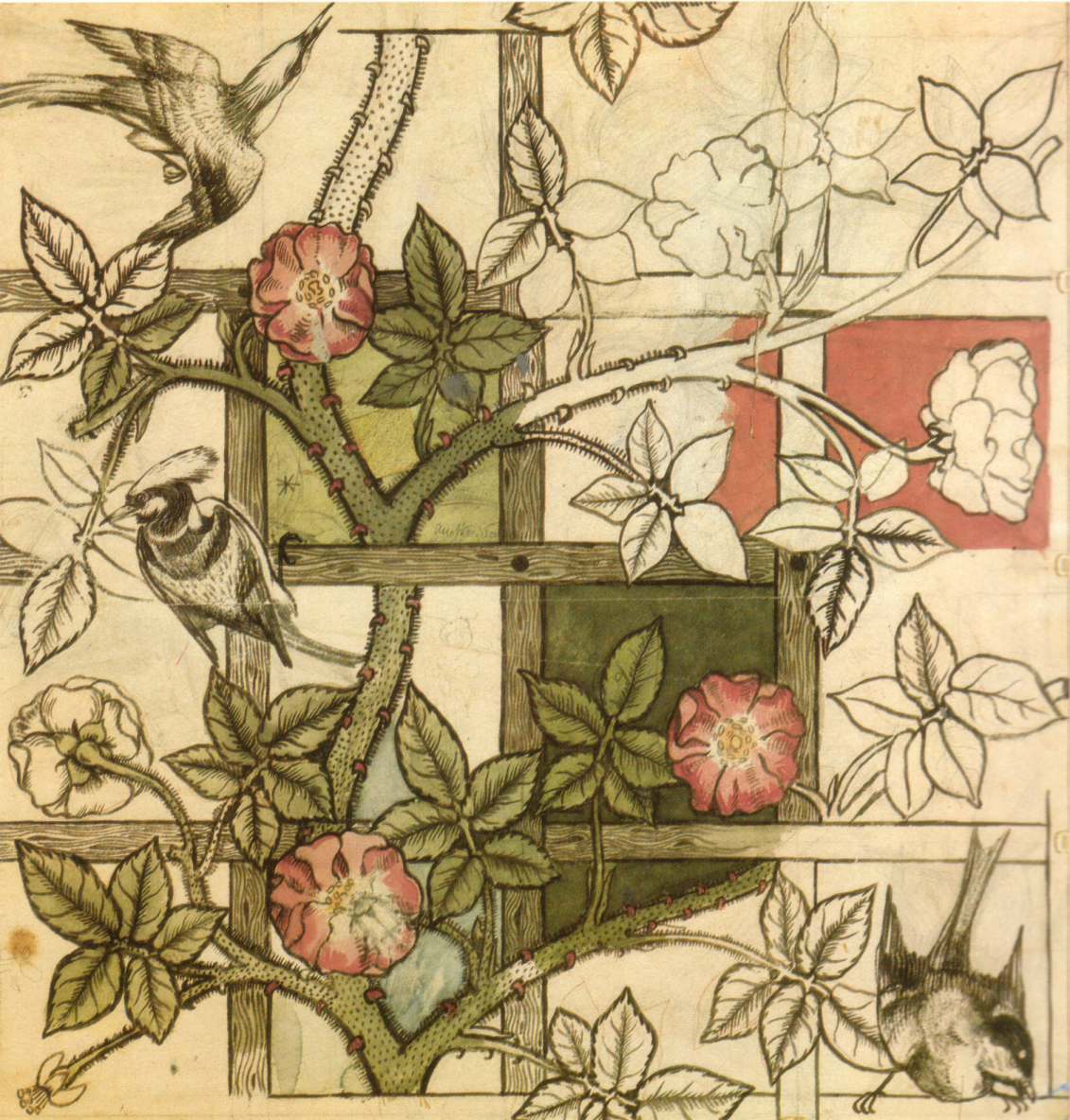
william morris's trellis wallpaper design, 1862 — his first wallpaper design, featuring climbing roses and birds by philip webb. source: wikimedia commons

His designs drew from medieval and natural forms: leaves, flowers, birds. His Kelmscott Press revived Gothic letterforms with hand-cut woodblocks. This philosophy became the Arts and Crafts movement. It influenced modernism, though not as Morris intended. The Bauhaus absorbed his insistence that design serve everyone but embraced industrial production. A mass-produced chair could be beautiful and affordable. The tension between handcraft and mass production defines much of 20th-century design.
Morris was also a socialist and utopian thinker. His novel "News from Nowhere" describes a post-industrial England where work is voluntary and goods handmade. Fantasy, but also design critique. He believed how we make things shapes how we live. His legacy is complicated. His furniture remains iconic but did not make beauty universal. What persists is the question: should design serve profit or people? Efficiency or meaning? Morris answered with flowers, vines, and hand-pressed books. We are still working out our own response.