on-this-day · march 25
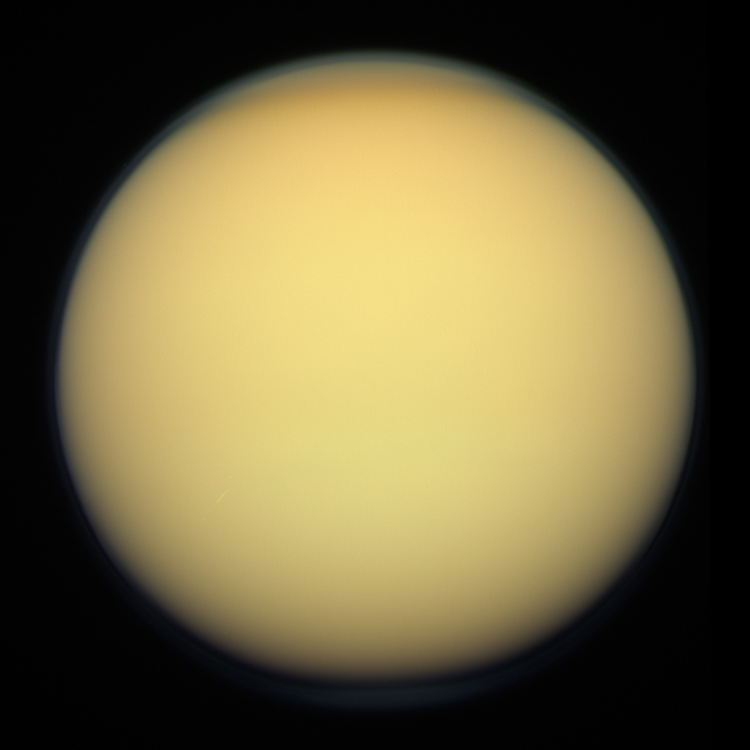
titan in true color — saturn's largest moon, discovered by christiaan huygens on march 25, 1655. source: wikimedia commons

The Moon Builder
On this day in 1655 — Christiaan Huygens discovered Titan, Saturn's largest moon, using a telescope he designed himself.
2 min read
On March 25, 1655, Christiaan Huygens pointed a telescope at Saturn and noticed a faint point of light. He tracked it over several nights and confirmed it was orbiting. A moon, the sixth known satellite in the solar system. He named it Titan. The discovery mattered not just for what he found but how. He ground the lenses himself, designed the optics, and built the telescope by hand.
Born in The Hague in 1629, Huygens studied mathematics at Leiden. His telescopes used longer focal lengths and better grinding, reducing chromatic aberration. His optical work led him to propose light was a wave, developing a theory explaining reflection, refraction, and diffraction. The wave theory competed with Newton's particle theory for centuries until quantum mechanics showed both were right.
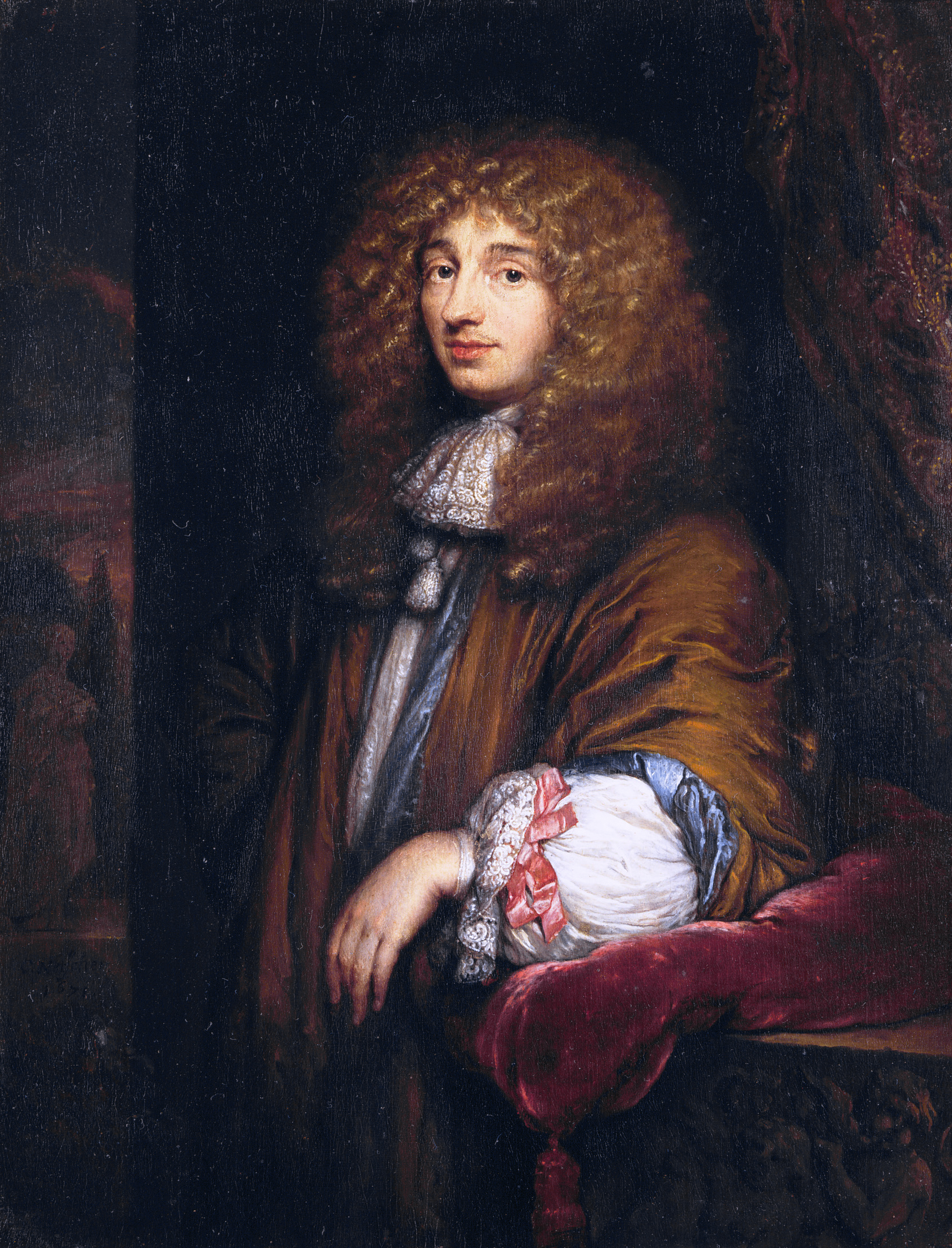
christiaan huygens, dutch physicist, astronomer, and inventor of the pendulum clock. source: wikimedia commons

Huygens also invented the pendulum clock in 1656. A pendulum's period depends only on its length, not swing amplitude. His clock was accurate to seconds per day. Navigation improved. Astronomy became precise. He also correctly identified Saturn's rings as a flat disk, where Galileo saw only blurry shapes.
In 2005, the ESA's Huygens probe landed on Titan, the first landing in the outer solar system. It revealed methane lakes, organic chemistry, and atmosphere thicker than Earth's. What makes Huygens exemplary is his insistence on building tools for the work. He did not wait for better telescopes. He made them. He did not accept imprecise clocks. He designed one. Identify the limitation, design the solution, build it. Discovery requires instruments, and instruments require design.