on-this-day · march 4
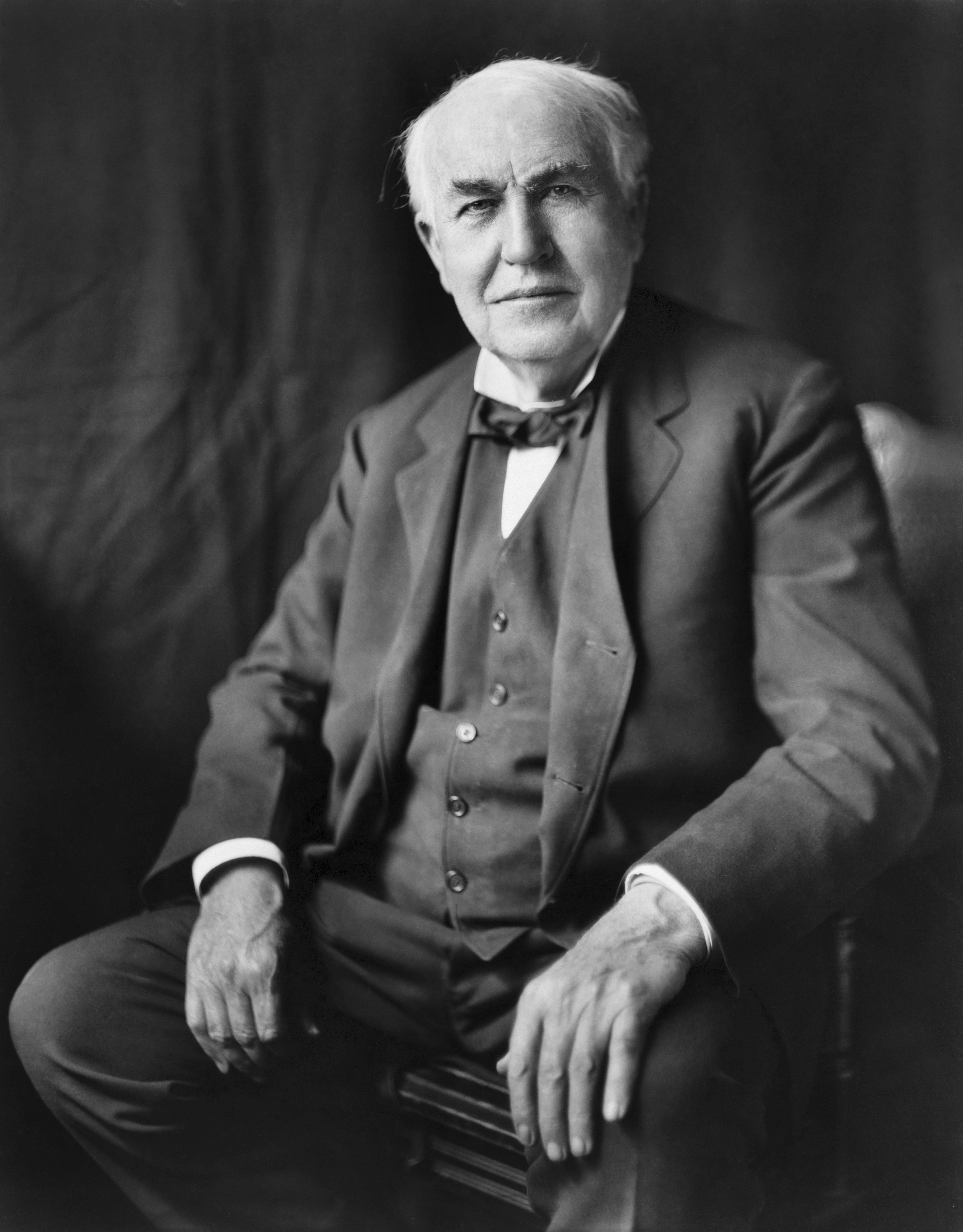
thomas alva edison, photograph by mathew brady studio, circa 1877. source: wikimedia commons

The Day Sound Became Permanent
On this day in 1877 — Thomas Edison made the first sound recording. He recited Mary Had a Little Lamb.
2 min read
Thomas Edison built the phonograph because he was working on something else. In 1877, he was improving the telephone and telegraph. The phonograph emerged as a detour more important than the original destination. By December he had a working prototype. It was the first device in history capable of capturing a moment and making it repeatable.
The machine was absurdly simple. A metal cylinder wrapped in tinfoil. A diaphragm connected to a needle. A hand crank. Speak into the diaphragm, the vibrations carve grooves. Reposition the needle and crank again. The sound comes back. It was crude, lasting less than a minute. Edison recited "Mary had a little lamb." The nursery rhyme was arbitrary. What mattered was that the voice, once gone, had returned.

edison's tinfoil phonograph from 1878, national museum of american history — a metal cylinder wrapped in foil captured and replayed sound for the first time. source: wikimedia commons

Sound had always been ephemeral. The phonograph changed that. A conversation could outlive the people having it. Edison saw it as a business tool for dictation. Others realized people wanted music. The phonograph became a consumer product, then an industry, then a cultural force.
Vinyl records, cassettes, CDs, and digital audio all descend from Edison's insight: sound is a waveform, and waveforms can be stored. Just as Alexander Graham Bell made sound transmissible, Edison made it permanent. The phonograph also created new labor. Before recordings, musicians performed live or not at all. Afterward, a single performance could be duplicated infinitely. Music was no longer just an act. It was a product. Edison knew how to play the part.