on-this-day · april 22

senator edmund muskie speaking at the first earth day on april 22, 1970. within months, the event's political pressure helped create the epa and pass the clean air act. source: wikimedia commons

Redesigning the Relationship
On this day in 1970 — The first Earth Day was celebrated. Twenty million Americans redesigned their relationship with the planet.
2 min read
On April 22, 1970, an estimated twenty million Americans participated in the first Earth Day. They gathered in parks, marched on highways, cleaned rivers, and listened to speeches about pollution and the disappearance of wilderness. It was the largest organized demonstration in American history to that point. In New York, Fifth Avenue was shut down for hours. People walked where traffic normally roared.
Earth Day was designed, not spontaneous. Senator Gaylord Nelson conceived it after the 1969 Santa Barbara oil spill. He recruited Denis Hayes to organize it. The date fell between spring break and finals, maximizing student turnout. It was a Wednesday, forcing people to choose between business as usual and showing up. Participation was engineered to be visible.
What made it effective was the framing. Before Earth Day, the environmental movement was fragmented — conservationists, anti-pollution activists, and wildlife advocates all fought separate battles. Earth Day unified them under one concept: the planet as a system. Pollution in one place affected air everywhere. The environment was infrastructure, and infrastructure could fail.
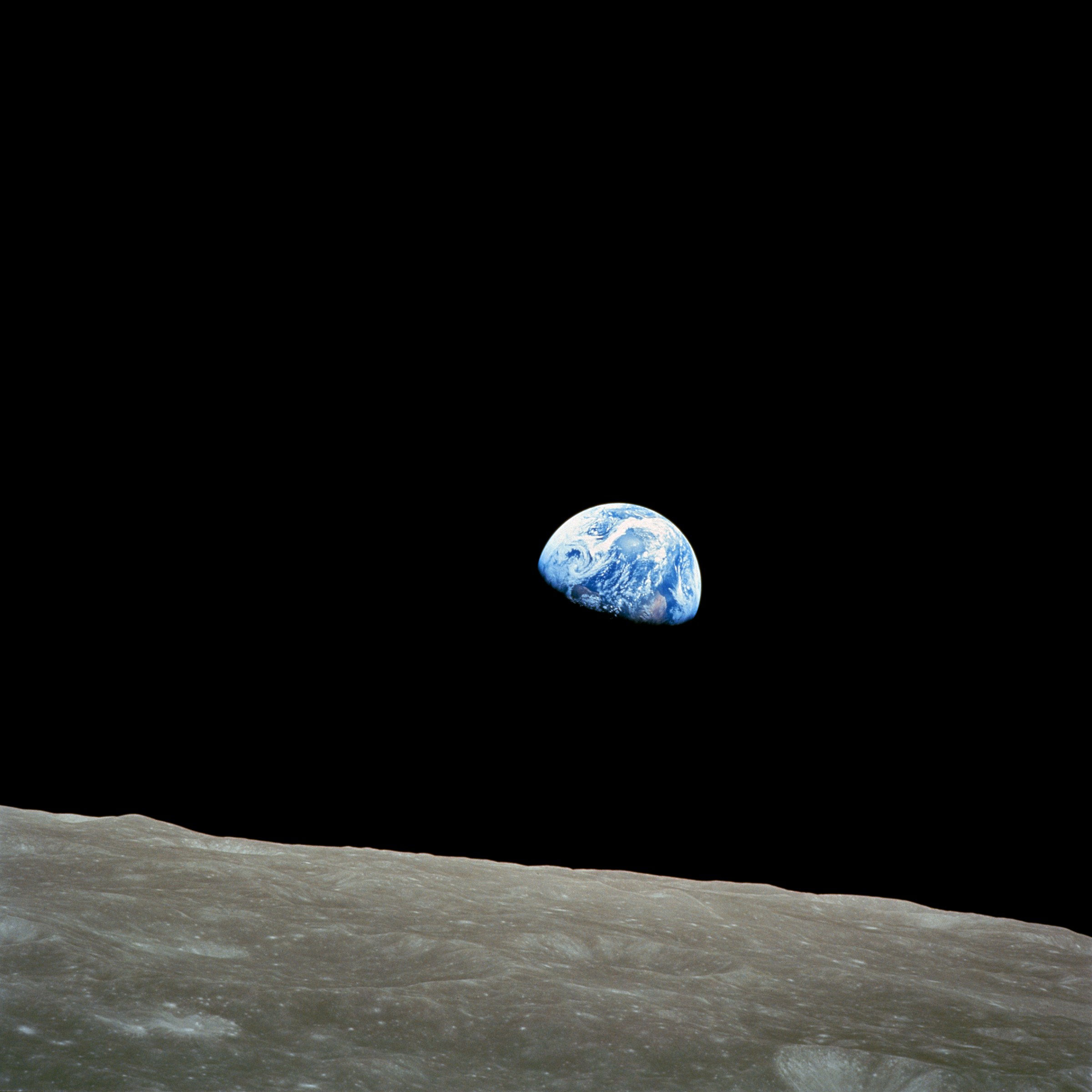
earthrise (december 24, 1968) — photographed by apollo 8 astronaut william anders. this image of earth floating in the void became the defining visual of the environmental movement, reframing the planet as a finite, fragile system. source: wikimedia commons

The political response was immediate. Nixon established the EPA within months. The Clean Air Act passed by year's end. The Clean Water Act followed in 1972, the Endangered Species Act in 1973. Earth Day didn't cause these laws, but it created the pressure that made them possible.
Fifty years later, Earth Day is still observed, though the radical reimagining of 1970 has faded into routine. Corporate sponsors use it for branding. The demand to fundamentally change industrial society has been absorbed into the calendar as reminder, not reckoning. The planet is still treated as a resource. We just regulate it better now.