on-this-day · april 6
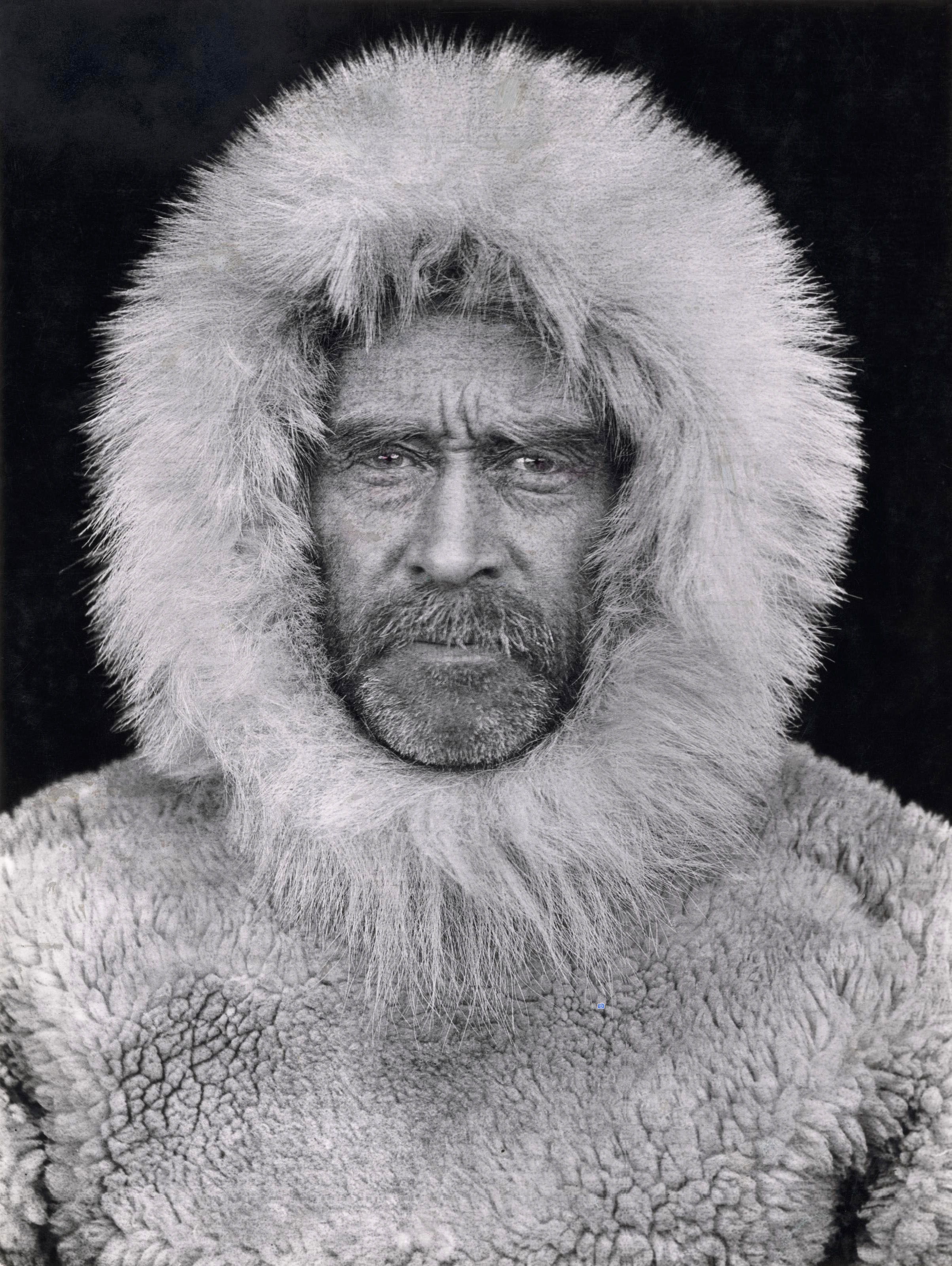
robert peary's self-portrait photograph taken at the north pole, april 1909. source: wikimedia commons

Navigation as Extreme Design Problem
On this day in 1909 — Robert Peary and Matthew Henson reached the North Pole. Navigation as extreme design problem.
2 min read
On April 6, 1909, Robert Peary and Matthew Henson stood at what they believed was the North Pole, a point on the Arctic ice where every direction is south. They had traveled over 400 miles from land, dragging sleds across frozen ocean in temperatures that could freeze exposed skin in minutes. With them were four Inuit men: Ootah, Egingwah, Seegloo, and Ooqueah. Together, they had solved one of the most brutal navigation problems in history.
The North Pole has no landmarks, no fixed points. The ice beneath them was constantly drifting. Compasses become unreliable near the magnetic pole. The sun circles the horizon rather than rising and setting. Navigation required precision instruments, flawless math, and luck.
Peary had been trying for nearly 20 years. He'd lost eight toes to frostbite. He'd learned Inuit survival techniques, adopted their clothing, hired their best dog handlers. Matthew Henson was his most trusted partner — and for decades, history tried to erase him. Henson was Black, which meant his role was minimized or ignored. But he spoke Inuktitut fluently, could build igloos faster than anyone, and was the first to step onto the ice at the pole.
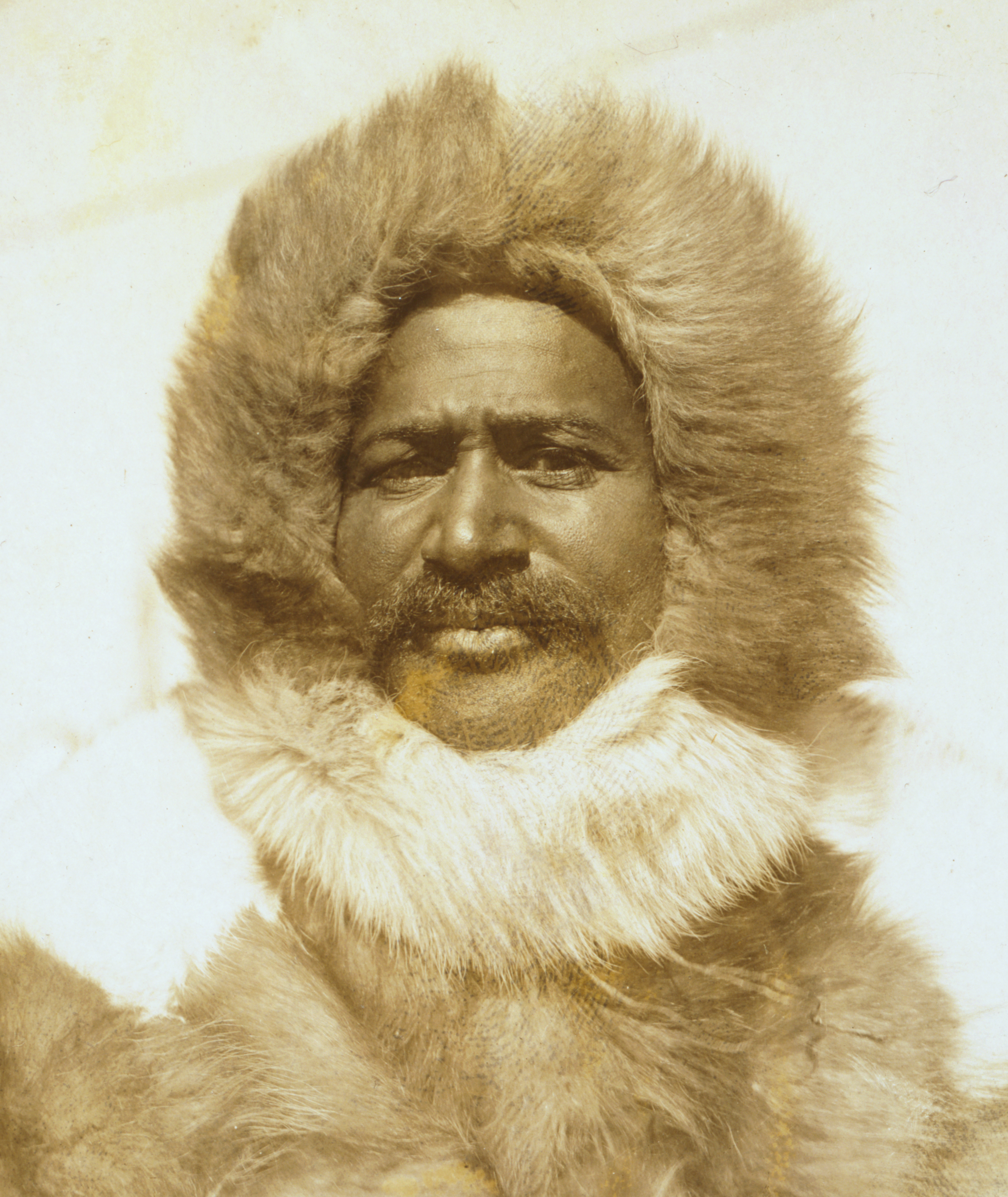
matthew henson, co-discoverer of the north pole, photographed in 1910. henson was the first to step onto the ice at what the expedition believed was 90 degrees north. source: wikimedia commons

Whether they actually reached 90 degrees north is still debated. Peary's navigation records are incomplete. His claimed speed seems improbably fast. But the achievement wasn't the exact coordinate. It was proving that humans could survive and navigate one of the most hostile environments on Earth — by learning from those who already lived there. The Inuit had the knowledge. Peary had the ambition. Henson had both. It wasn't until 2000 that the National Geographic Society formally recognized Henson as co-discoverer.