on-this-day · may 13
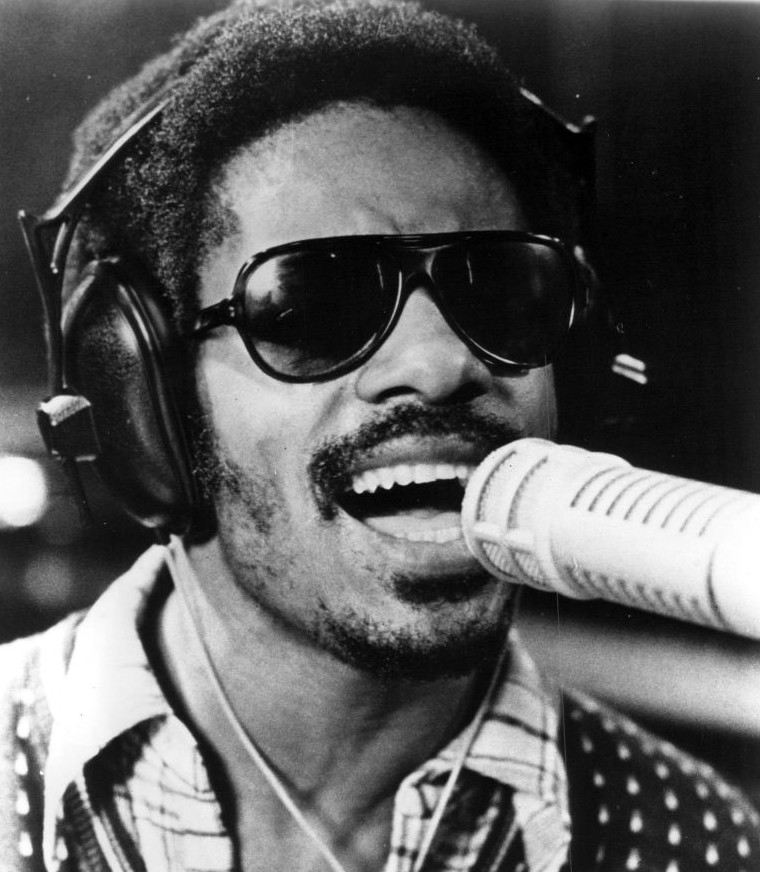
stevie wonder performing in 1973, during the creative peak of his innervisions era. source: wikimedia commons

Limitation as Constraint
On this day in 1950 — Stevie Wonder was born. He played every instrument and proved that limitation is just a design constraint.
2 min read
Stevie Wonder was born Stevland Hardaway Judkins on May 13, 1950, in Saginaw, Michigan. Born six weeks premature, the oxygen-rich environment of the incubator caused retinopathy of prematurity, leaving him blind shortly after birth. By age 11, he had signed with Motown. By 13, he had a number-one single. By his mid-twenties, he had redefined what popular music could be.
What makes Wonder remarkable is not just talent but range. He plays piano, harmonica, drums, bass, and synthesizer. He sings, writes, arranges, and produces. His run from 1972 to 1976 -- Talking Book, Innervisions, Fulfillingness' First Finale, and Songs in the Key of Life -- is arguably the greatest sustained creative output in popular music history. Each album expanded what was possible. He used the Moog synthesizer and the clavinet not as gimmicks but as core instruments, shaping sounds that became the vocabulary of modern R&B, funk, and pop.
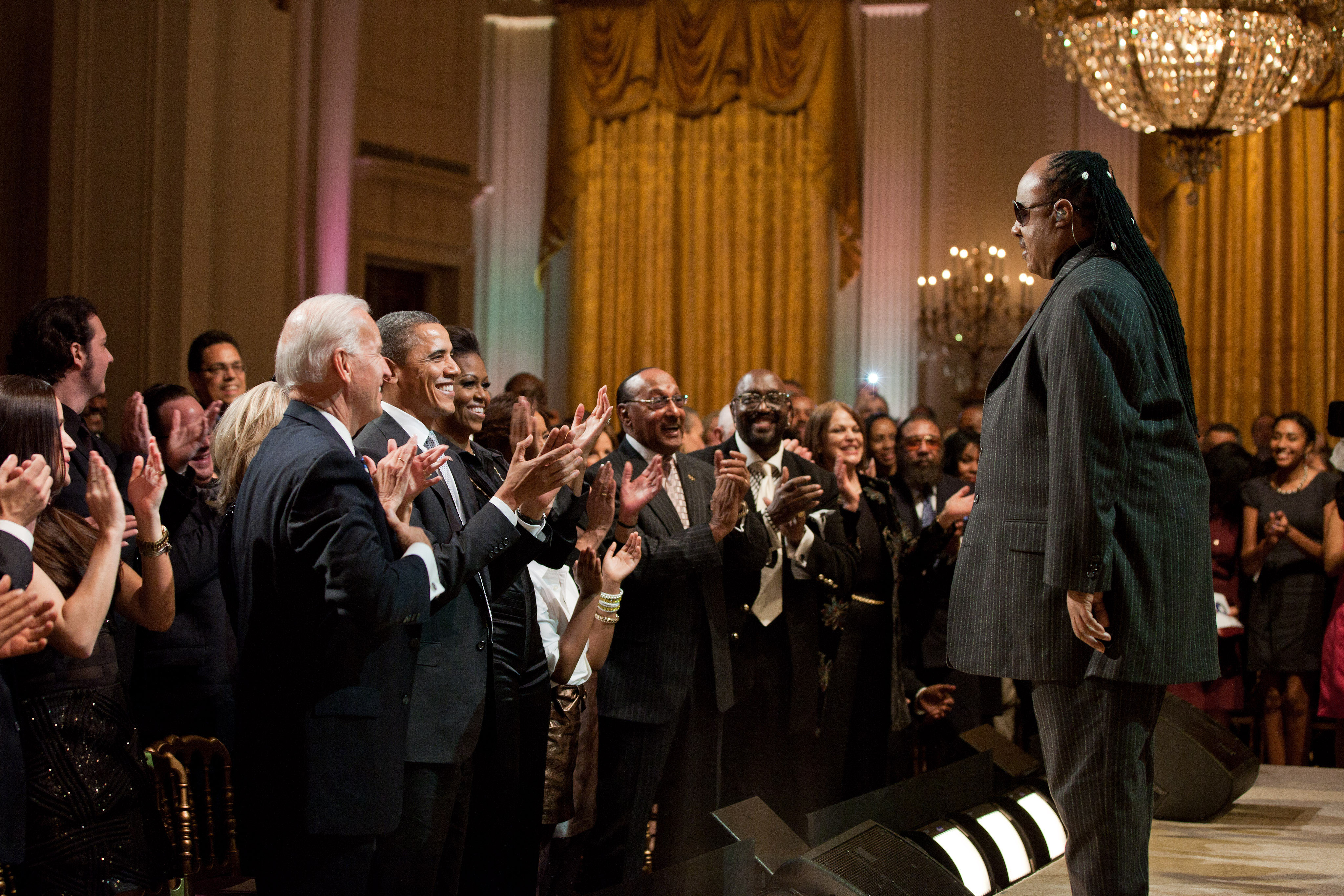
stevie wonder receiving a standing ovation in the east room of the white house, 2011. source: wikimedia commons

Wonder's blindness is often framed as a limitation he overcame. That misreads the situation. His musicality was not achieved despite blindness but developed within it. Without visual distraction, he trained his ears to an extraordinary degree. He hears harmonic relationships most musicians cannot. The constraint did not limit his work. It shaped it.
Twenty-five Grammys. Inducted into the Rock and Roll Hall of Fame at 38. Still performing. Stevie Wonder proved that limitation is just a design constraint -- and constraints, properly understood, are where the best work happens.