on-this-day · june 28
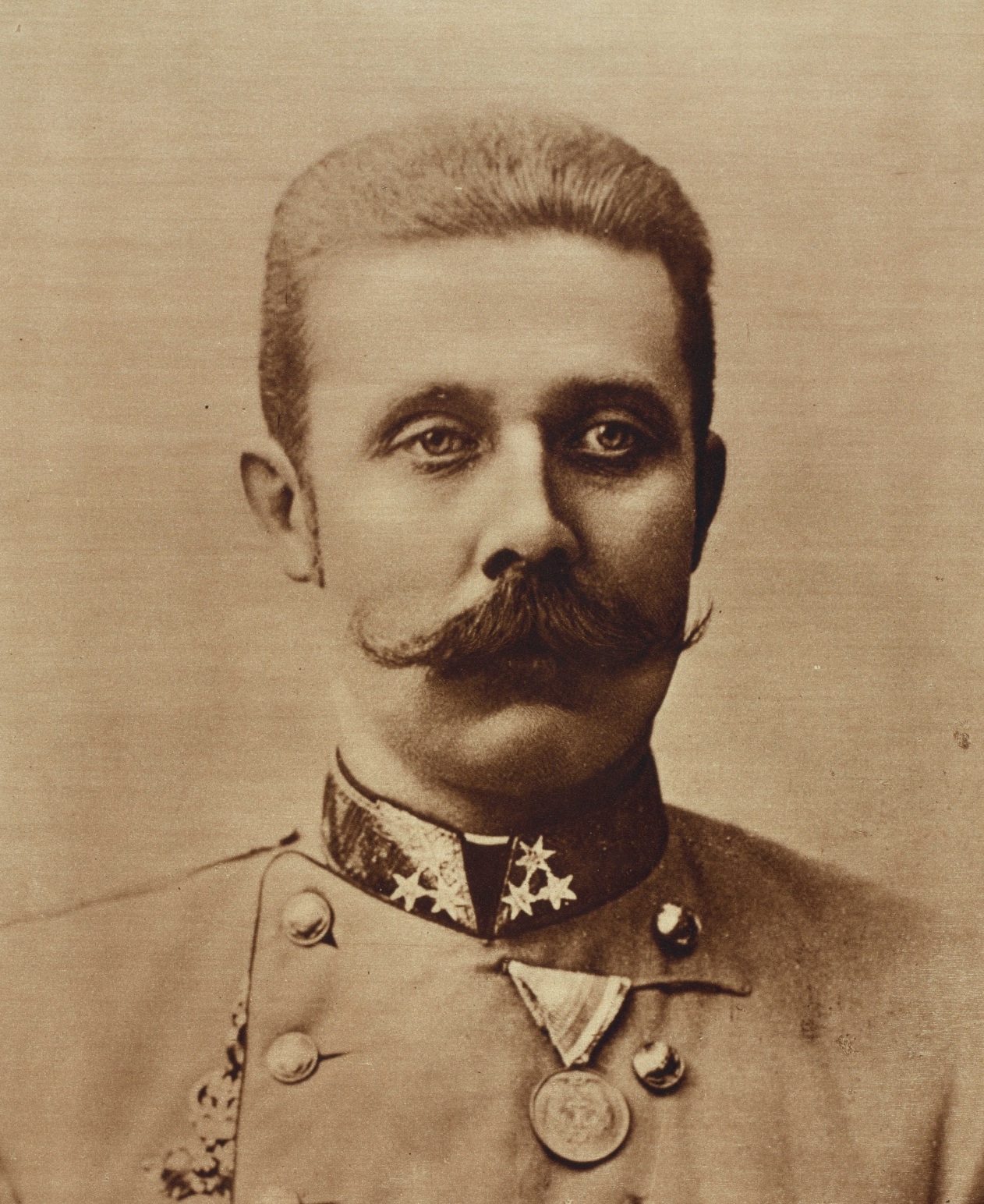
archduke franz ferdinand of austria, whose assassination in sarajevo on june 28, 1914 set off the chain of events that led to world war i. source: wikimedia commons

The Shot That Cascaded
On this day in 1914 — Archduke Franz Ferdinand was assassinated. A single event cascaded through every system in Europe.
2 min read
On June 28, 1914, Archduke Franz Ferdinand of Austria arrived in Sarajevo, capital of recently annexed Bosnia. He was there for a military inspection. His wife Sophie accompanied him despite warnings. Security was minimal. The motorcade route had been published.
At 10:15 AM, a nationalist from the Black Hand threw a grenade. The driver accelerated; it exploded under the following vehicle. Franz Ferdinand was unhurt. After a reception, he insisted on visiting the wounded. No one changed the route.
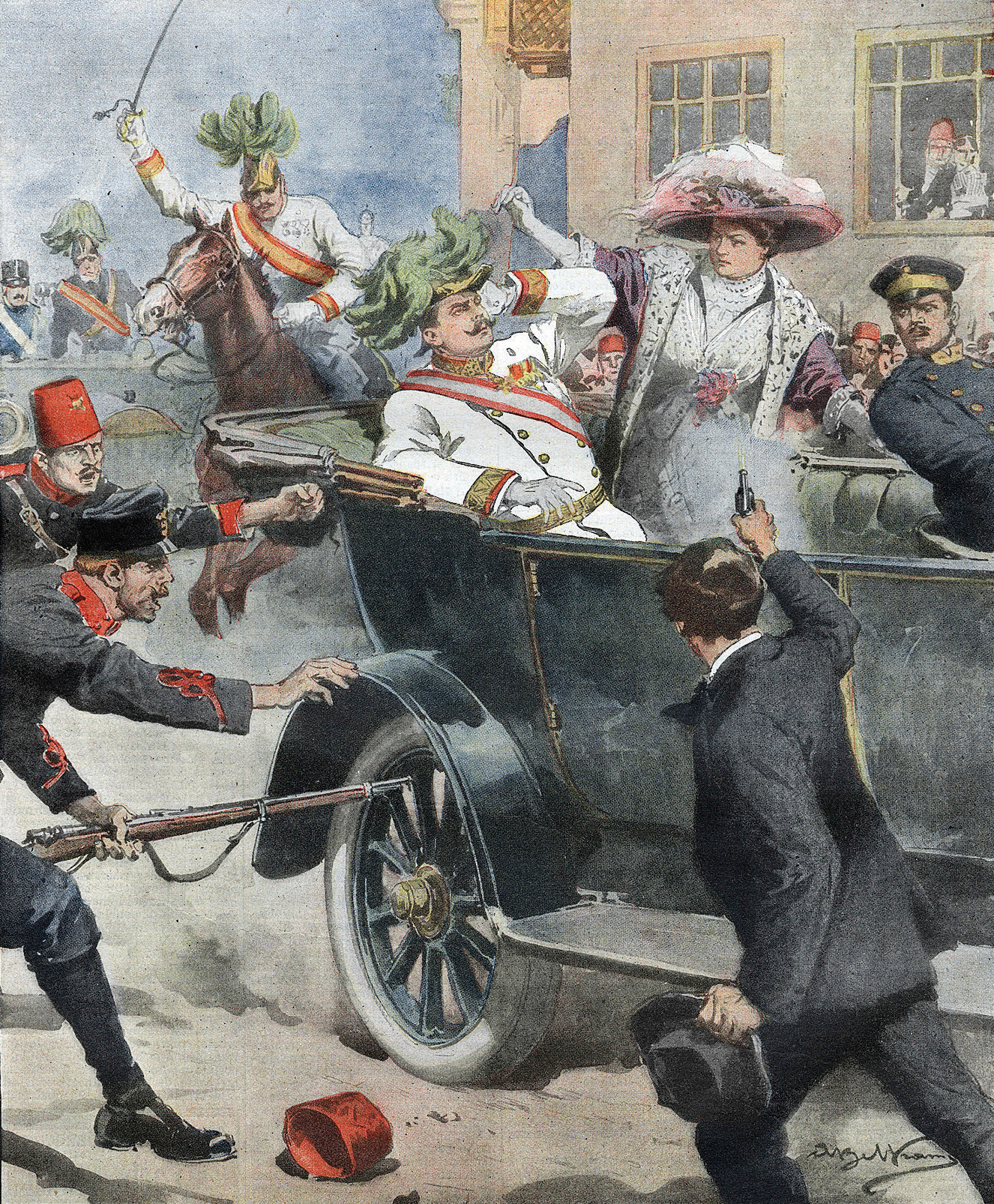
a photograph from sarajevo, june 28, 1914 -- showing events in the immediate aftermath of the assassination that triggered world war i. source: wikimedia commons

The lead car made a wrong turn. The driver stopped to reverse. The car stalled in front of 19-year-old Gavrilo Princip, who had assumed the plot had failed. Five feet away, he fired twice. Sophie died from a bullet to the abdomen. Franz Ferdinand from one severing his jugular. What followed was structured: Austria-Hungary issued an impossible ultimatum. Serbia refused. Declarations cascaded through alliances. Within six weeks, the continent was at war. The system of mutual deterrence guaranteed a local assassination triggered global catastrophe.
The war killed 16 million and destroyed four empires. The Treaty of Versailles created conditions for fascism. Franz Ferdinand himself had favored reform. Had he lived, the war might have been avoided. Or not. What matters is the chain: a wrong turn, a stopped car, a young man with a gun, cascading through a brittle network until the entire structure collapsed. Resilient systems absorb shocks. Europe in 1914 was brittle.