on-this-day · july 10
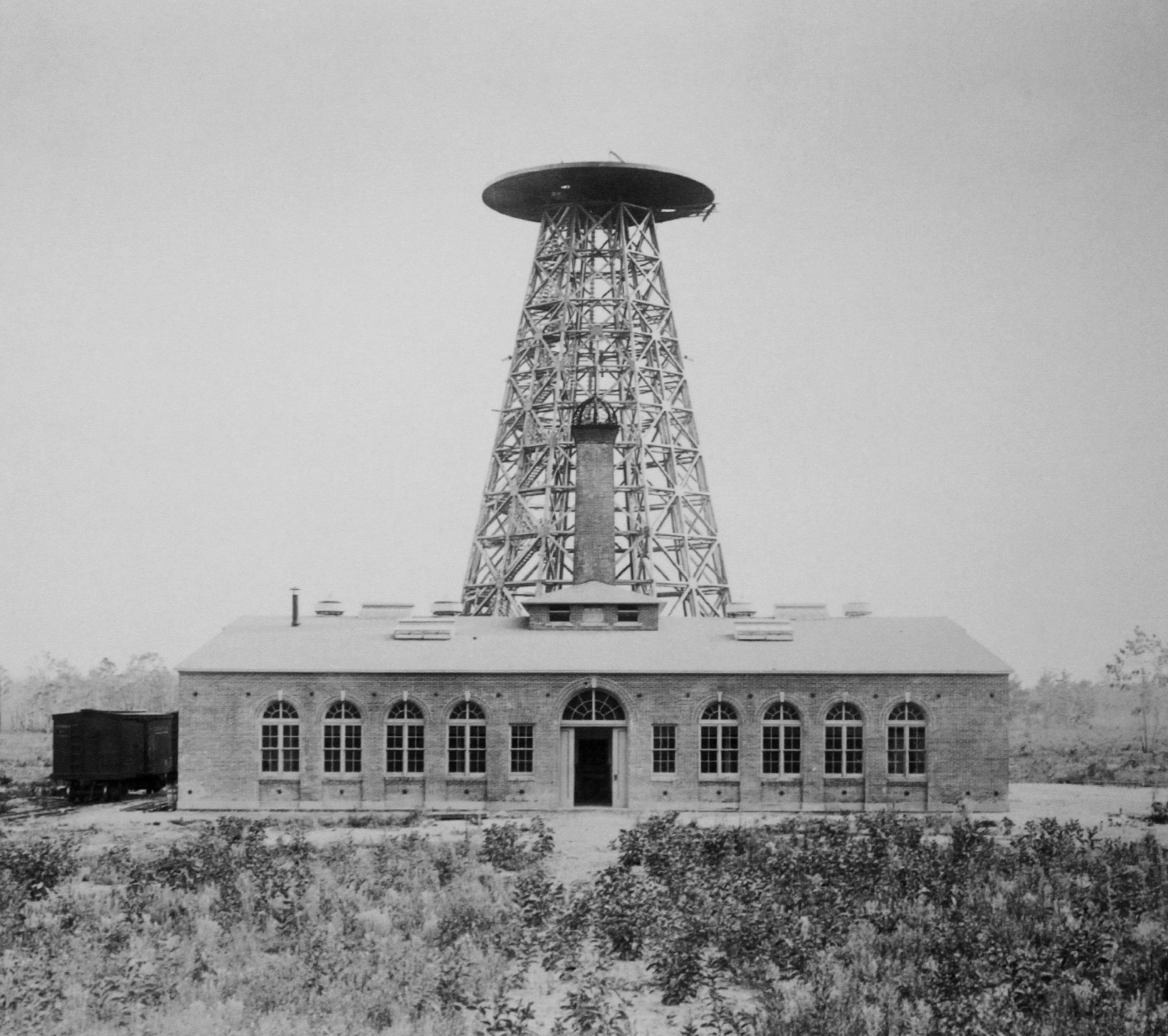
wardenclyffe tower, tesla's wireless power transmission project on long island, new york. source: wikimedia commons

Wireless Dreams
On this day in 1856 — Nikola Tesla was born. He held over 300 patents and envisioned wireless energy a century early.
2 min read
Tesla's career, detailed elsewhere in these pages, was built on practical achievements like alternating current and the induction motor. But what consumed him later was something no one had asked for: wireless transmission of power. He believed electricity could be sent through the air, through the ground, across oceans, without wires. He built Wardenclyffe Tower on Long Island to prove it. The project bankrupted him, and the tower was demolished for scrap in 1917.
Tesla was not entirely wrong. Wireless power transmission works. We use it daily in inductive charging pads for phones. Radio waves carry energy, though not enough to power cities. The problem Tesla never solved was efficiency -- beaming power through the air loses energy to the environment. And there was no business model. If power is broadcast freely, how do you charge for it?

tesla's broadcast tower concept, 1904. source: wikimedia commons

What made Tesla exceptional was his ability to see systems where others saw devices. He did not just invent an AC motor. He imagined an entire electrical grid. He did not just experiment with radio waves. He envisioned a global communication system decades before it existed. He thought in infrastructures, not products.
The wireless world Tesla imagined is here, just not in the form he expected. We transmit information wirelessly, not power. The internet, cellular networks, satellites -- all of it is wireless infrastructure connecting billions of devices. Tesla's dream was half right, which is more than most people manage.