on-this-day · september 13
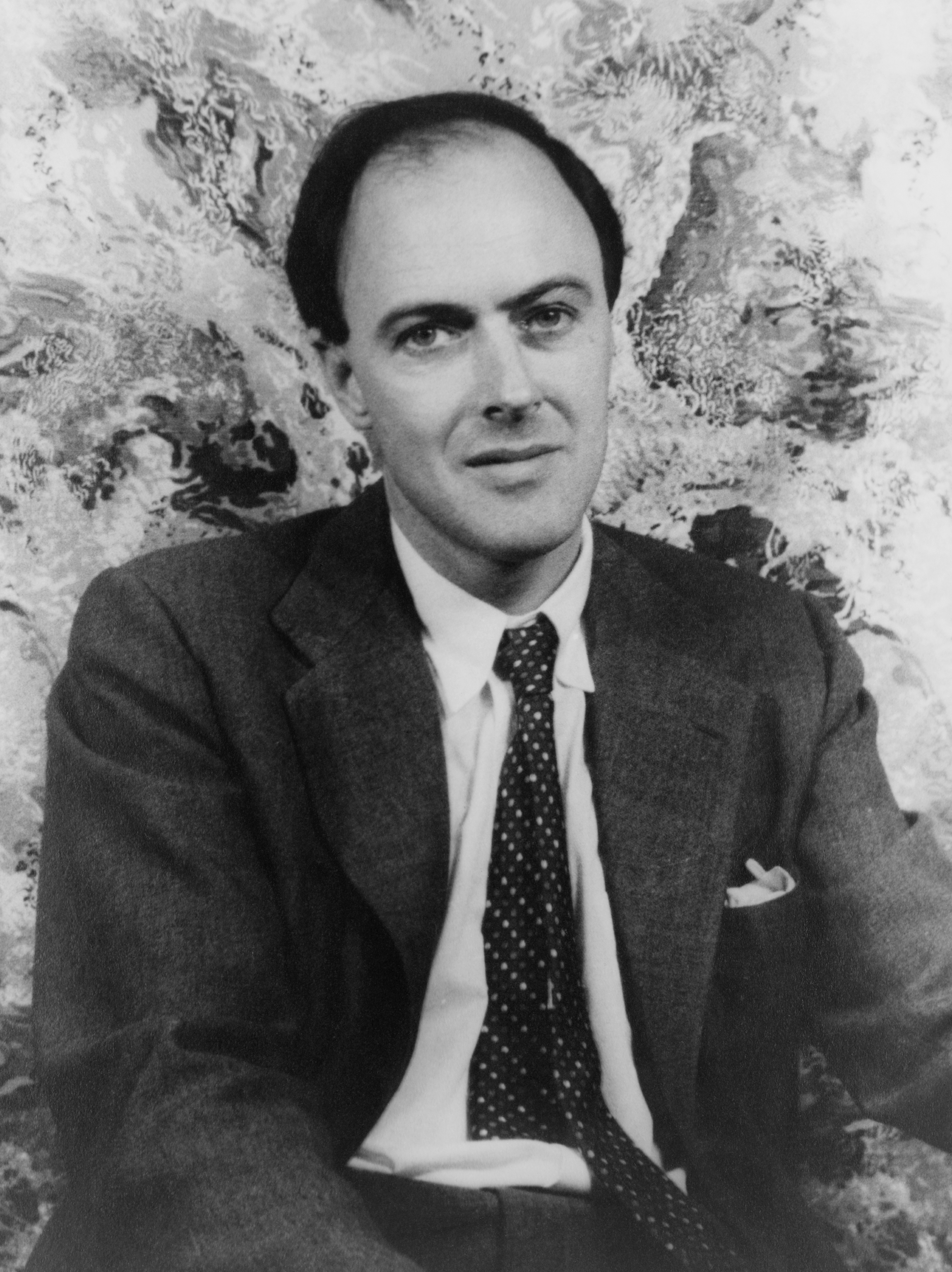
roald dahl. source: wikimedia commons
The Dark Machinery of Childhood
On this day in 1916 — Roald Dahl was born. His children's stories were dark machines disguised as candy.
2 min read
Roald Dahl was born on September 13, 1916, in Llandaff, Wales, to Norwegian parents. He endured brutal boarding schools, flew fighter planes in World War II, survived a plane crash that fractured his skull, became a spy, then one of the most popular children's authors in history. Over 300 million copies sold. Without exception, deeply strange.
Dahl did not write the way adults think children's books should be written. His protagonists are orphans, outcasts, victims of neglect. Adults are grotesque or cruel. But the stories are funny, inventive, and satisfying in ways sanitized literature rarely is. Children already know the world is unfair. They want to see bad guys punished and clever kids win.
Charlie and the Chocolate Factory is whimsy on the surface -- class inequality and poetic brutality underneath. Matilda follows a neglected girl who uses telekinetic powers against abusive adults. Dahl taught children they could fight back, that intelligence was a weapon.
His stories are mechanical in the best sense. Every detail is setup. Every flaw leads to specific punishment. He wrote with the precision of an engineer and the sensibility of a sadist -- dark not because he was writing for children, but because he was writing honestly about childhood.

roald dahl, author of charlie and the chocolate factory, matilda, and the bfg — born september 13, 1916. source: wikimedia commons

When Dahl died in 1990, he was buried with snooker cues, chocolates, HB pencils, and a power saw. His books endure because they solve a problem: most children's literature lies about how the world works. Dahl wrapped the truth in chocolate and made it funny. Machines built to last.