on-this-day · november 11
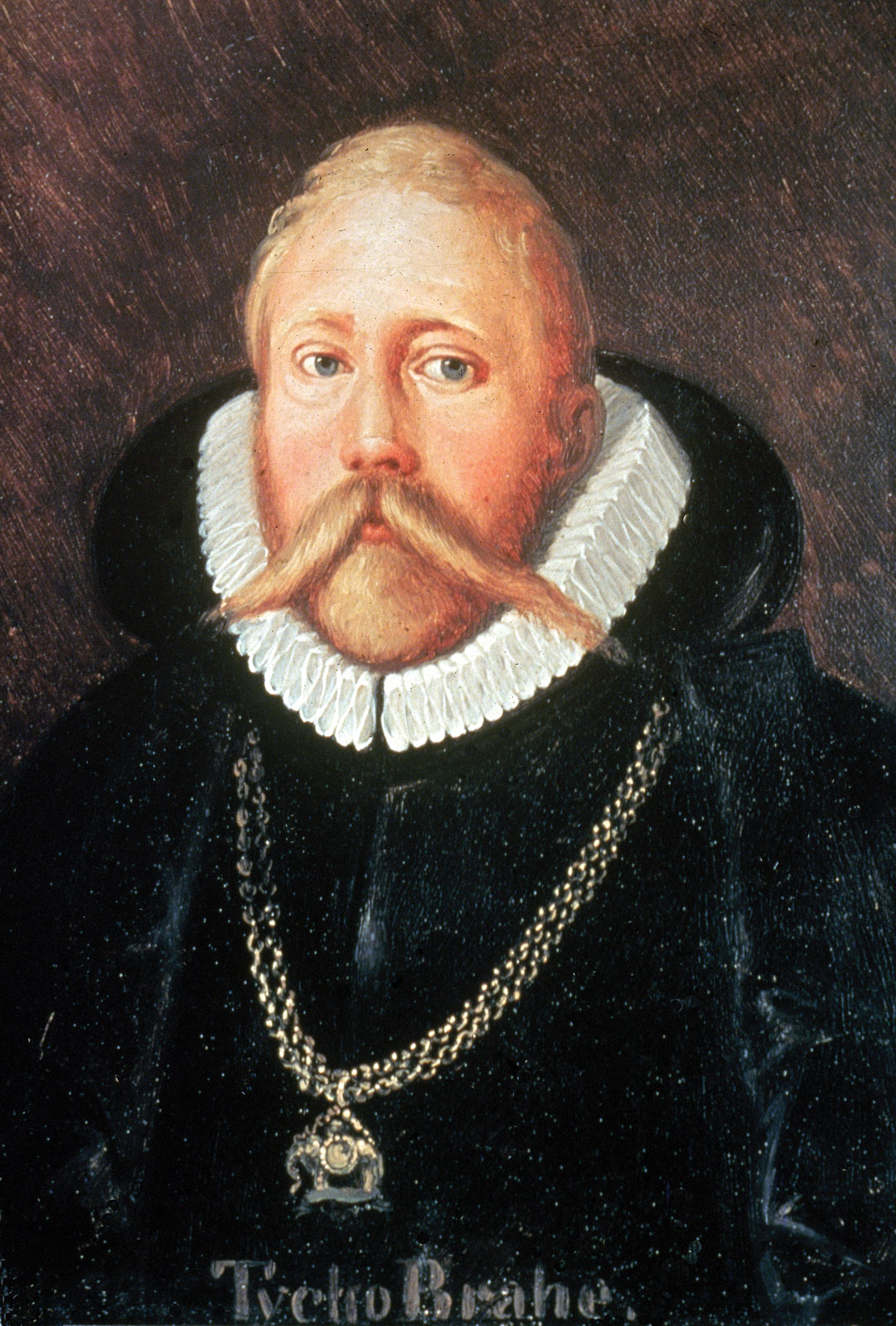
tycho brahe, astronomer. source: wikimedia commons

The Star That Shouldn't Have Existed
On this day in 1572 — tycho brahe observed a supernova, proving the heavens were not unchanging. Astronomy was redesigned.
2 min read
On November 11, 1572, Tycho Brahe saw a new star blazing in Cassiopeia. It was brighter than Venus. It shouldn't have existed. Aristotle had declared the heavens unchanging, and fifteen centuries of astronomy agreed. Stars didn't appear. Tycho spent sixteen months measuring the new star's position, proving it showed no parallax -- it wasn't a nearby atmospheric phenomenon but something immeasurably far away.
He published De Nova Stella in 1573. The star -- now known as a Type Ia supernova, the thermonuclear explosion of a white dwarf -- challenged the foundational assumption of Western cosmology. If the heavens could produce new objects, the celestial sphere was not immutable. The distinction between perfect heavens and corruptible Earth, a pillar of Aristotelian physics, was wrong.
Tycho didn't propose a new model. He wasn't a Copernican. He developed his own hybrid system that was wrong, but his data was right. He spent two decades at Uraniborg making the most precise naked-eye measurements in history. When he died in 1601, his assistant Johannes Kepler inherited the data and used it to derive the laws of planetary motion.
Tycho's supernova proved that observation could overrule philosophy. He measured it, documented it, and let the data speak. That method -- precision first, interpretation second -- became the foundation of modern astronomy. Sometimes the most important thing a scientist can do is notice something that isn't supposed to be there.

tycho brahe's mural quadrant at uraniborg — the instrument he used to measure the positions of stars with unprecedented accuracy. source: wikimedia commons
