on-this-day · april 26
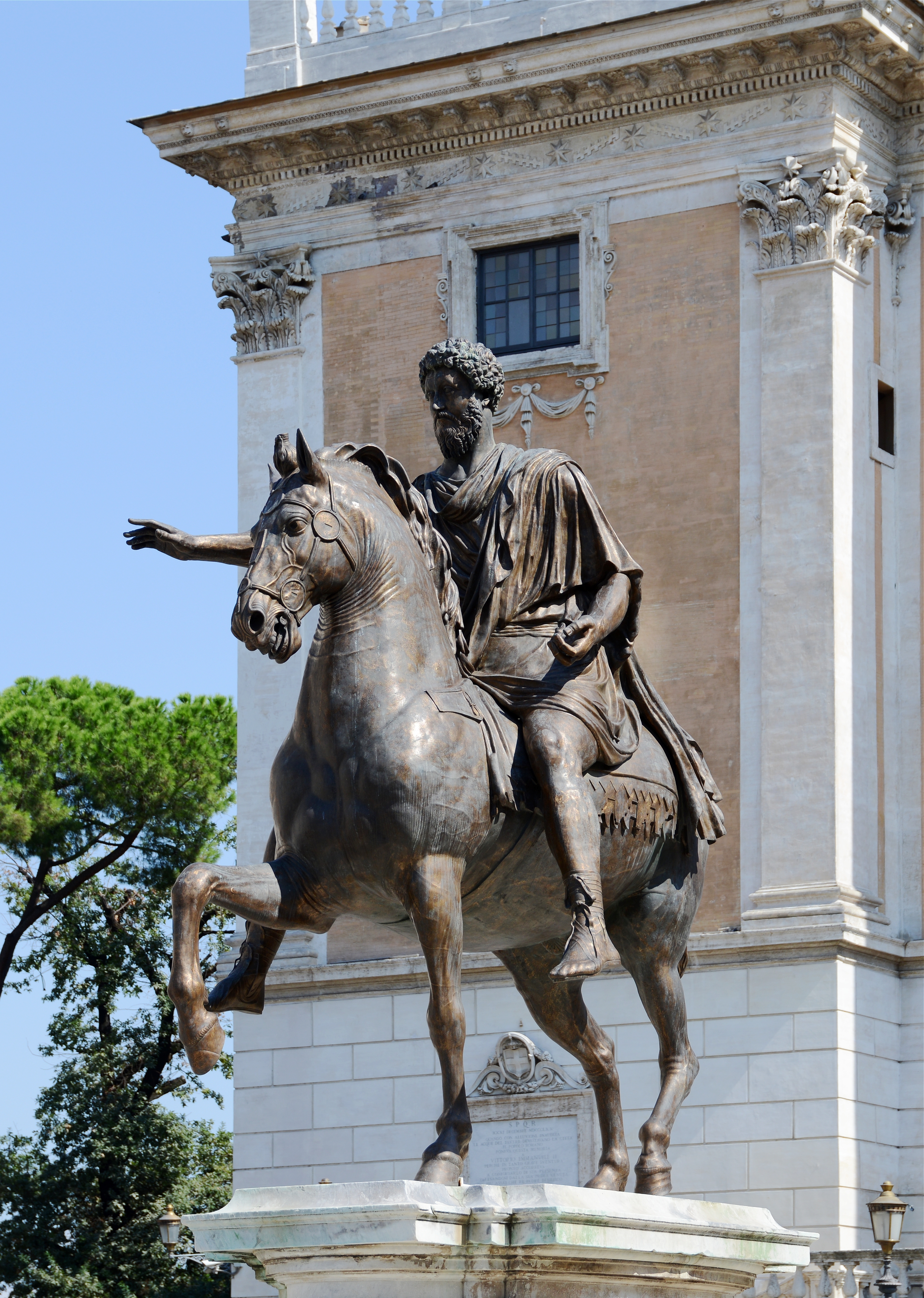
the bronze equestrian statue of marcus aurelius, originally gilded, created around 175 ad and now housed in the musei capitolini in rome. it survived the middle ages because it was mistakenly believed to depict constantine the first. source: wikimedia commons

Notes to Self
On this day in 121 — Marcus Aurelius was born. Roman emperor, stoic philosopher. He wrote Meditations for himself, not for us.
2 min read
Marcus Aurelius was born on April 26, 121, in Rome. Adopted by Emperor Antoninus Pius, groomed for power from childhood, he became emperor at 40 and ruled for nearly two decades. He fought wars, managed plagues, and tried to hold together a fracturing empire. At night, in his tent, he wrote notes to himself. Those notes became the Meditations — one of philosophy's most enduring works, never meant to be published.
The Meditations are not a treatise. They're private reminders, fragments written in exhaustion. The entries circle the same themes: control what you can, accept what you can't, don't waste time on anger. You will die. Remember that. Act accordingly. These aren't revelations. They're mental hygiene — a man under immense pressure writing down what he already knows but keeps forgetting.
Stoicism separates the world into what you control and what you don't. Your actions, thoughts, responses — those are yours. Everything else isn't. The discipline is to focus entirely on what you can influence. It's not suppressing emotion. It's not being ruled by it.

marble bust of marcus aurelius from the louvre, circa 161-180 ad. he ruled for nearly two decades while simultaneously waging the marcomannic wars on the northern frontier and managing a devastating plague. source: wikimedia commons

What makes the Meditations compelling is that Marcus wasn't a monk in a garden. He was making life-and-death decisions while managing betrayal and incompetence. His son was a disaster. And through it all, he kept returning to the principles. You don't control outcomes. You control effort.
The Meditations survived because someone found his notebooks after he died. They weren't edited or polished. They read like what they are — a tired man trying to remember what matters. That roughness is what makes them work. What Marcus designed, accidentally, was a protocol for resilience: write down the principles, review them, apply them. Not a guarantee. Just a method. That's all philosophy ever is.